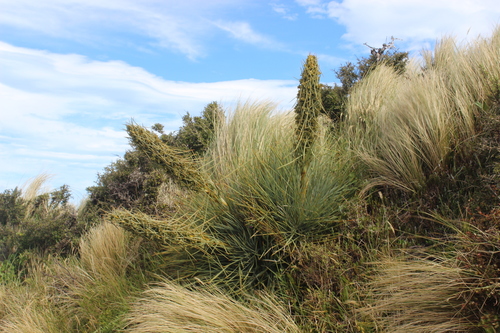
Osmorhiza chilensis
Hook. & Arn.

(c) Joseph D Kurtz, some rights reserved (CC BY-NC)
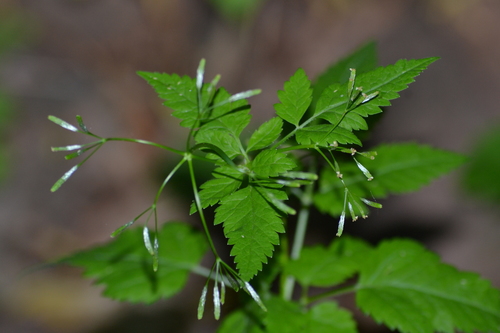
(c) Joseph D Kurtz, some rights reserved (CC BY-NC)
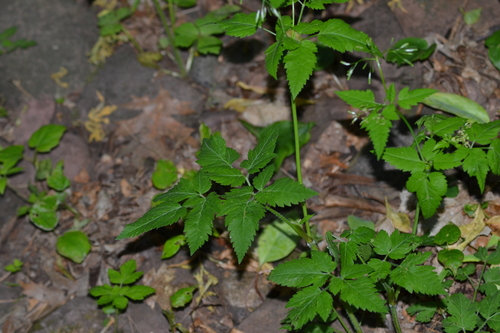
(c) Joseph D Kurtz, some rights reserved (CC BY-NC)
What to Eat
Edible parts: Root, Leaves
The root can be eaten raw or cooked and is considered a delicacy.
Where to Find It
It is a temperate plant. In Argentina it grows from sea level to 2,500 m above sea level. It suits hardiness zone 6.
Argentina, Chile, North America, South America*, USA,
How to Identify
A herb. It keeps growing from year to year. It grows 80 cm tall. The leaves have leaflets along the sides and these are divided and have teeth along the edge.
How to Grow
Succeeds in any deep moisture-retentive soil in sun or dappled shade. Plants are hardy to about -20°c. Well suited to naturalistic plantings in a woodland or wild garden. A sweetly aromatic plant.
Propagation: Sow seed in a cold frame as soon as it is ripe where possible, otherwise sow in early spring. Prick seedlings into individual pots when large enough to handle and grow on in the greenhouse through their first winter. Plant out into permanent positions in late spring or early summer, after the last expected frosts.
Medicinal Uses
None known
Other Uses
None known
Wikipedia
Source ↗Perennial reaching 0.8m tall, hardy to UK zone 6. Hermaphroditic, insect-pollinated flowers with self-fertility. Adapts to light sandy, medium loamy, and heavy clay soils with mildly acidic to mildly alkaline pH. Grows in semi-shade or full sun and prefers moist soil.
Other Information
It is considered a delicacy.
Names & Synonyms
Niuquin, Nonquin, Numin, Nuukin, Perejil de cerro
References (4)
- Cordero, S. E., Abello, L. A., & Galvez, F. L., 2017, Plantas silvestres comestibles y medicinales de Chile y otras partes del mundo. CORMA p 206
- Diaz-Betancourt, M., et al, 1999, Weeds as a future source for human consumption. Rev. Biol. Trop. 47(3):329-338
- Rapoport, E. H. & Ladio, A. H., 1999, Plantas comestibles. Bosque Volume 20 No. 2. ISSN 0314-8799
- Rapoport, E. H., et al, 1995, Edible Weeds: A Scarcely Used Resource. Bulletin of the Ecological Society of America. Vol. 76 No. 3 pp 163-166