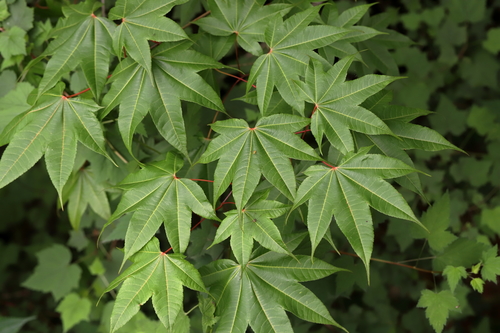
Nephelium malaiense
Griff.
Cat's eye

iNaturalist · cc-by-nc
(c) zicky, some rights reserved (CC BY-NC)
(c) zicky, some rights reserved (CC BY-NC)
iNaturalist · cc-by-nc
(c) zicky, some rights reserved (CC BY-NC)
(c) zicky, some rights reserved (CC BY-NC)
iNaturalist · cc-by-nc
(c) zicky, some rights reserved (CC BY-NC)
(c) zicky, some rights reserved (CC BY-NC)
What to Eat
Edible parts: Fruit
The aril, or fleshy layer surrounding the seed, is eaten.
Known Hazards
Where to Find It
It is a tropical plant. It suits hot, wet tropical lowland climates.
Asia, Malaysia, North America, SE Asia, USA,
Countries: United Arab Emirates, Afghanistan, Antigua & Barbuda, Armenia, Azerbaijan, Barbados, Bangladesh, Bahrain, Brunei, Bahamas, Bhutan, Belize, Canada, China, Costa Rica, Cuba, Dominica, Dominican Republic, Grenada, Georgia, Guatemala, Honduras, Haiti, Indonesia, Israel, India, Iraq, Iran, Jamaica, Jordan, Japan, Kyrgyzstan, Cambodia, St Kitts & Nevis, North Korea, South Korea, Kuwait, Kazakhstan, Laos, Lebanon, St Lucia, Sri Lanka, Myanmar, Mongolia, Maldives, Mexico, Malaysia, Nicaragua, Nepal, Oman, Panama, Philippines, Pakistan, Puerto Rico, Qatar, Saudi Arabia, Singapore, El Salvador, Syria, Thailand, Tajikistan, Timor-Leste, Turkmenistan, Turkey, Trinidad & Tobago, Taiwan, United States, Uzbekistan, St Vincent, Vietnam, Yemen
How to Identify
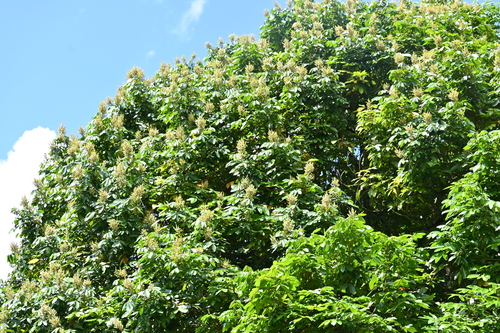
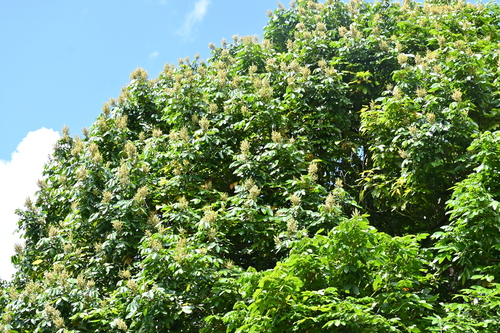
A tree. It grows 20 m high. The fruit occur in large clusters. The fruit are oval and 2 cm across. They are brown and the flesh is white and lets the light through.
How to Grow
Plants are grown from seed.
Production
Trees produce fruit in 4-5 years. Fruit matures in about 120 days.
Names & Synonyms
Mata kuching
References (1)
- Martin, F. W., et al, 1987, Perennial Edible Fruits of the Tropics. USDA Handbook 642 p 57