Meliosma simplicifolia
(Roxb.) Walp.
Mountain meliosma
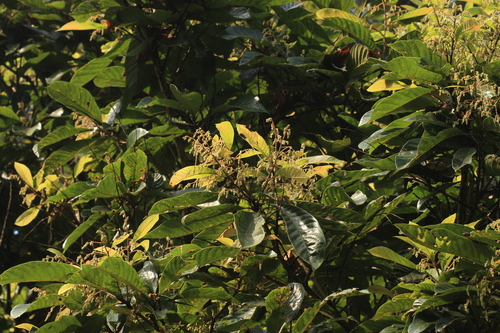
(c) madhavan a.p, some rights reserved (CC BY)
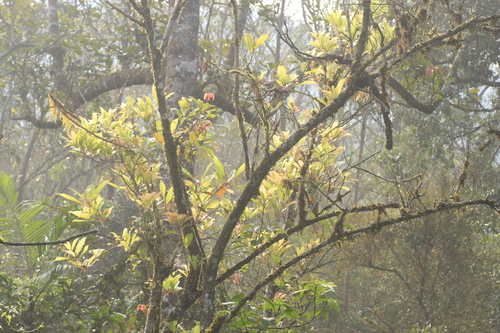
(c) madhavan a.p, some rights reserved (CC BY)
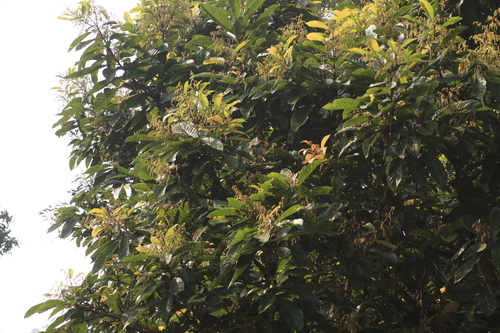
(c) madhavan a.p, some rights reserved (CC BY)
What to Eat
Edible parts: Leaves
The young leaves are cooked and eaten, especially with fish, and are considered a delicacy.
Where to Find It
It is a subtropical plant. It grows in broad-leaved forests between 1,200-2,000 m above sea level in SW China.
Asia, Bangladesh, Bhutan, China, Himalayas, India, Indochina, Indonesia, Laos, Myanmar, Nepal, Northeastern India, SE Asia, Sri Lanka, Thailand, Tibet,
How to Identify
A small tree. It keeps its leaves throughout the year. The branches have a dense covering. The leaves are simple. They are 12-40 cm long and light green. The flowers are in long woolly groups. They are white and turn pale yellow. The fruit is fleshy. It is 4-6 mm across.
How to Grow
Plants can be grown from seeds and cuttings.
Other Uses
The wood is used for making furniture.
Wikipedia
Source ↗Meliosma simplicifolia is a species of plant in the family Sabiaceae. It is widely distributed in Asia from India through south-east Asia.
Production
In China plants flower in January and February and fruit in April to May.
Other Information
It is considered a delicacy.
Names & Synonyms
Gurna, Laidsbri, Lale, Meliosma gunung, Paya-ama, Pet-taung-yaing, Prang-kinsa
References (3)
- Patiri, B. & Borah, A., 2007, Wild Edible Plants of Assam. Geethaki Publishers. p 31
- Pegu, R., et al, 2013, Ethnobotanical study of Wild Edible Plants in Poba Reserved Forest, Assam, India. Research Journal of Agriculture and Forestry Sciences 1(3):1-10
- Sukarya, D. G., (Ed.) 2013, 3,500 Plant Species of the Botanic Gardens of Indonesia. LIPI p 674


