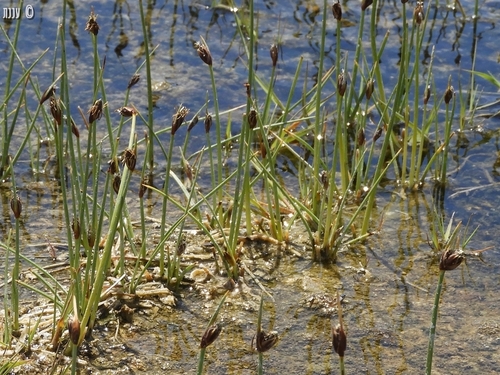
Cyperus ligularis
L.
Bizzibizzi, Razorgrass
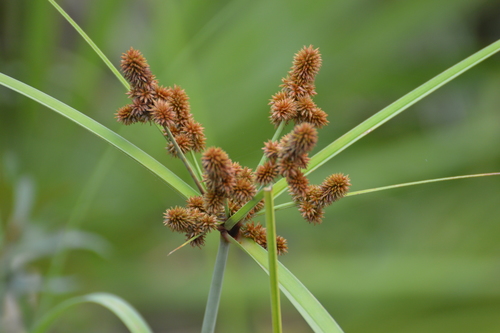
(c) Robby Deans, some rights reserved (CC BY-NC), uploaded by Robby Deans
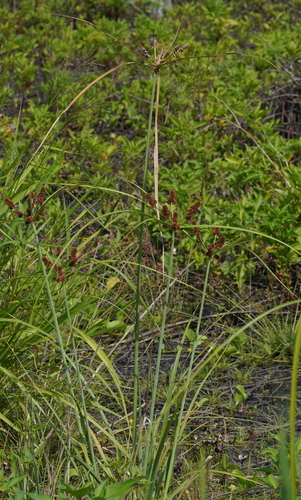
(c) Shang-Kwei Wang, some rights reserved (CC BY-NC)
What to Eat
Edible parts: Stem base
The stem base is eaten, particularly chewed fresh by children.
Where to Find It
It is a tropical plant. It grows in ditches and along riverbanks. In Guatemala it grows up to 1,100 m above sea level.
America, Belize, Central America, Guam, Guatemala, Guiana, Guianas, Guyana, North America, Panama, South America, Suriname, USA, Venezuela, West Indies,
How to Identify
An erect herb or sedge. It grows 30-90 cm tall. The stems are triangle shaped in cross section. The leaf edges are sharp.
How to Grow
Cyperus ligularis is not tolerant of prolonged cold temperatures. Readily identified by its robust caespitose habit and greyish-green foliage.
Medicinal Uses
Part unspecified: Used by the Surinam Saramaccan Bush Negroes as an ingredient in a curative herbal bath. Stem: Used to treat sore eyes, earaches, and coughs and colds. The sap from the heated rhizome or stem is squeezed into the ear to relieve earache and into sore eyes to bring them relief.
Other Uses
The culms are used to make brushes to apply whitewash to houses.
Wikipedia
Source ↗Cyperus ligularis, the alabama swamp flatsedge, is a species of sedge that is native to southern parts of North America, Central America and northern parts of South America as well as along the east coast of Africa.
Other Information
The stem base is especially chewed by children.
Names & Synonyms
Bioro, Hakaru kura, Yente
References (1)
- Andel T. van, Non-timber forest products of the North-West District of Guyana. Part 2. A Field Guide. Tropenbos-Guyana Programme. p 264
More from Cyperaceae