Caution — Parts of this plant may be toxic or require specific preparation. Verify with multiple sources before consuming.
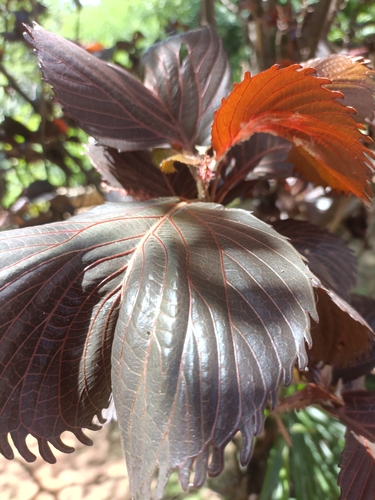
iNaturalist · cc-by-nc-sa (c) Ahmad Fuad Morad, some rights reserved (CC BY-NC-SA)
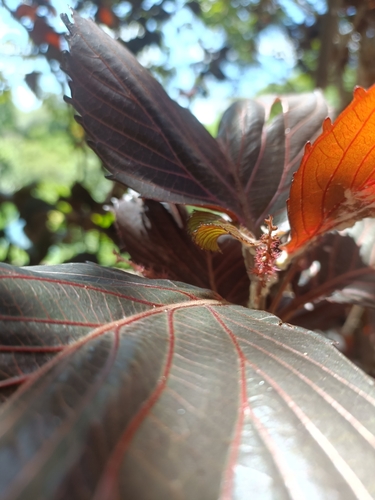
iNaturalist · cc-by-nc (c) Franck Rakotonasolo, some rights reserved (CC BY-NC)
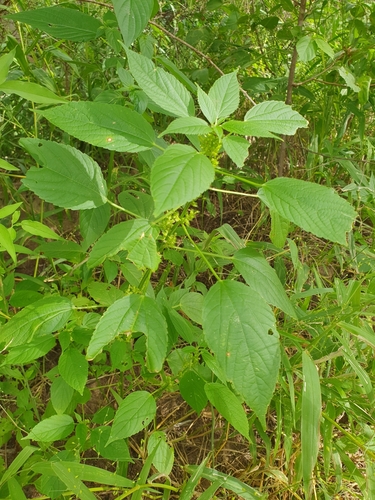
iNaturalist · cc-by-nc (c) Franck Rakotonasolo, some rights reserved (CC BY-NC)
What to Eat
Edible parts: Vegetable, Caution
The leaves are used as a vegetable, though caution is advised.
Where to Find It
It is a tropical plant. It grows on atolls.
Africa, Caroline Islands, Central America, Costa Rica, Colombia, East Africa, Ecuador, Indonesia, Kiribati, Malaysia, Micronesia, Mozambique, New Guinea, Pacific, Philippines, SE Asia, South America, St Helena, West Africa,
A shrub or small tree. It grows 5 m tall. There are prickles along the stem. The leaves are twice divided and there are 8-18 pairs of pinnae. There are up to 50 pairs of pinnules on each pinnae. The flowers are yellow. They are in large clusters at the ends of branches. The pods are flattened.
How to Grow
It can be grown from stem cuttings. It can be grown as a hedge.
Propagation: Seed -
Cuttings root easily.
Medicinal Uses
The plant has medicinal uses.
The stem sap is used to treat eye wounds or cataracts.
Other Uses
The plant is grown as an ornamental hedge, living fence and boundary marker.