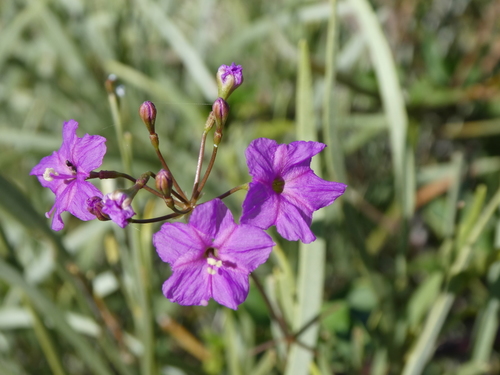
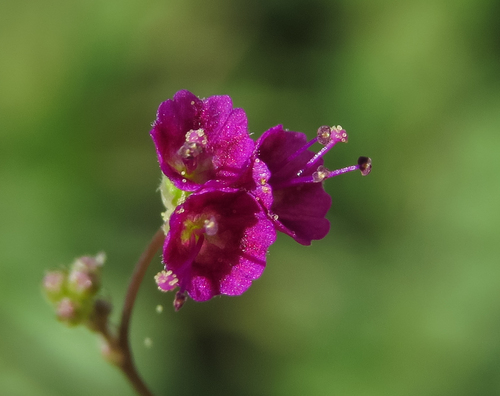
Boerhavia elegans
Choisy

iNaturalist · cc-by-nc-sa
(c) Tamsin Carlisle, some rights reserved (CC BY-NC-SA), uploaded by Tamsin Carlisle
(c) Tamsin Carlisle, some rights reserved (CC BY-NC-SA), uploaded by Tamsin Carlisle
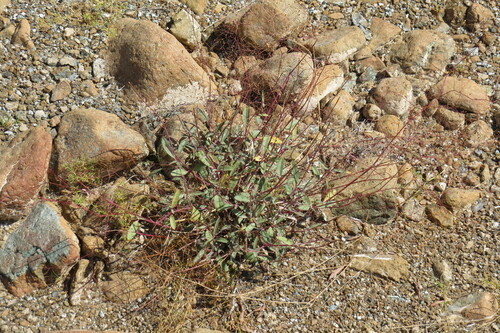
iNaturalist · cc-by-nc
(c) brendanwj, some rights reserved (CC BY-NC)
(c) brendanwj, some rights reserved (CC BY-NC)
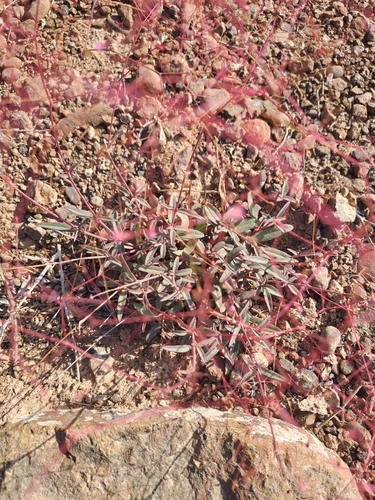
iNaturalist · cc-by-nc
(c) divyeshsp, some rights reserved (CC BY-NC)
(c) divyeshsp, some rights reserved (CC BY-NC)
What to Eat
Edible parts: Seeds, Leaves
The leaves are eaten fresh, despite their bitter taste. Seeds are also edible.
Where to Find It
It is a tropical plant.
Asia, Central America, Iran, Middle East, Nicaragua, Pakistan, Yemen,
Countries: United Arab Emirates, Afghanistan, Armenia, Azerbaijan, Bangladesh, Bahrain, Brunei, Bhutan, Belize, China, Costa Rica, Georgia, Guatemala, Honduras, Indonesia, Israel, India, Iraq, Iran, Jordan, Japan, Kyrgyzstan, Cambodia, North Korea, South Korea, Kuwait, Kazakhstan, Laos, Lebanon, Sri Lanka, Myanmar, Mongolia, Maldives, Malaysia, Nicaragua, Nepal, Oman, Panama, Philippines, Pakistan, Qatar, Saudi Arabia, Singapore, El Salvador, Syria, Thailand, Tajikistan, Timor-Leste, Turkmenistan, Turkey, Taiwan, Uzbekistan, Vietnam, Yemen
How to Identify
A tropical shrub in the Nyctaginaceae family. The leaves are bitter and edible, and the plant also produces edible seeds.
Wikipedia
Source ↗Boerhavia elegans is a species of flowering plants in the four o'clock flower family, Nyctaginaceae. It is one of the species that compose the "tortoise turf", the food source of the Aldabra giant tortoise, of the Aldabra Atoll in the Seychelles.
Names & Synonyms
Hidwan
References (3)
- Al-Fatimi, M. A., Wild Edible Plants Traditionally Collected and Used in Southern Yemen. Research Square. University of Aden.
- INFOODSUpdatedFGU-list.xls
- World Checklist of Useful Plant Species 2020. Royal Botanic Gardens, Kew