Lavandula multifida
L.
Fernleaf lavender, Egyptian lavender
(c) jltasset, some rights reserved (CC BY-NC), uploaded by jltasset
(c) Amy, some rights reserved (CC BY)

(c) israelhervas, some rights reserved (CC BY-NC)
What to Eat
Edible parts: Herb, Leaves, Flowers
None known
Where to Find It
It is a Mediterranean climate plant. It is damaged by frost. It suits hardiness zone 7-11.
Africa, Canary Islands, Egypt, Europe, Mediterranean, Morocco, North Africa, Sicily, Spain,
How to Identify
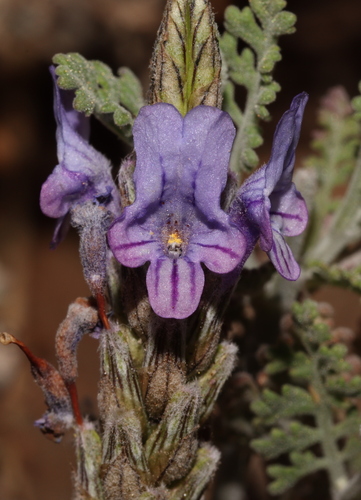
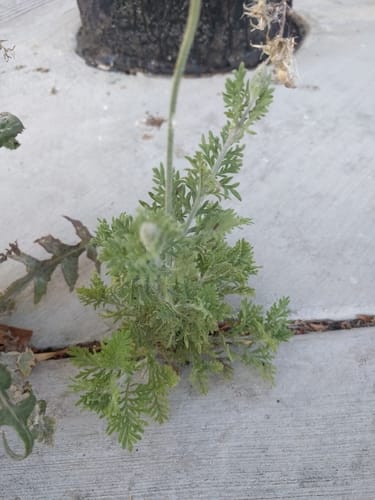
A herb or shrub. The stems are grey and woolly. The leaves are twice divided. The flowers are dark blue or violet. They are on long stems above the leaves.
How to Grow
Soil Texture: Prefers light (sandy) or medium soils. It thrives in poor, rocky, or gravelly soils. Soil Moisture: Thrives in dry to moderately moist soils. It is drought-tolerant once established and does not tolerate waterlogged conditions. Drainage: Requires well-drained soil to prevent root rot. Soil pH: Prefers neutral to alkaline soils (pH 7.0–8.5) but can tolerate slightly acidic soils. Saline Tolerance: Not particularly tolerant of saline conditions; avoid planting in salt-affected areas. Tolerance of Poor Soil: It thrives in poor, nutrient-deficient soils typical of Mediterranean climates. Light Requirements: Requires full sun to thrive. Insufficient sunlight can result in leggy growth and reduced flowering. Height: Typically grows to about 0.5–1 meter (1.5–3 feet) tall, with a similar spread. Pollination: Pollinated by bees, butterflies, and other insects attracted to its bright purple, fragrant flowers. Temperature: Hardy to mild frost and performs well in USDA zones 8–11. Thrives in Mediterranean and arid climates. Flowering: Produces spikes of bright violet-blue flowers almost year-round in warm climates, adding ornamental and aromatic value. Drought Tolerance: Very drought-tolerant once established, making it suitable for xeriscaping and water-conserving gardens. Pests and Diseases: Generally pest-free and resistant to most diseases, but it can develop fungal root rot if overwatered or grown in poorly drained soil. Pruning: Regular pruning after flowering encourages new growth and helps maintain a compact, bushy shape. Lavandula multifida is a Mediterranean plant and is not very cold hardy. In drier climates, the plant has been known to survive temperatures as low as -10°c, but the plant is much less cold tolerant in moister climes, where it is often grown as an annual. Grows around 30 - 50cm tall. Requires a warm, sunny position in very well-drained soil. The plant is highly aromatic. The smell has been described as like hyssop, warm with a tang, but others are less flattering, likening the smell to burning rubber or having a strong, tar-like, disagreeable odour. The native range of this species is S. Portugal to SW. Italy, N. Africa to NE. Sudan. It is a subshrub and grows primarily in the subtropical biome. Foliage is aromatic, but it has been noted that the scent is closer to that of oregano than to other kinds of lavender.
Propagation: Sow seed in spring in a greenhouse, barely covering it. Germination typically takes 1–3 months at 15°C. Prick out into individual pots once large enough to handle and grow on in the greenhouse or cold frame through the first winter, planting out in late spring after the last expected frosts. Take half-ripe cuttings 7–10cm with a heel in midsummer in a frame — a high percentage root within a few weeks. Grow on in the greenhouse for the first winter and plant out in late spring. Cuttings of 7cm with a heel also succeed at almost any time of year. Layering is another option.
Medicinal Uses
An infusion of the flowering branches is used to treat coughs and various children's ailments.
Other Uses
The flowers are rich in nectar and pollen, attracting bees, butterflies, and other beneficial insects. The dense woody stems and leaf litter can provide shelter and overwintering sites for invertebrates. The strong scent acts as a natural pest deterrent against moths, mosquitoes, and flies. The aromatic foliage — which scents closer to oregano than other lavenders — and flowers can be used in crafts or as a natural pest deterrent. An essential oil is also obtained from the plant. It is well suited to borders, rock gardens, and containers.
Wikipedia
Source ↗Lavandula multifida, the fernleaf lavender or Egyptian lavender, is a small plant, sometimes a shrub, native to the southern regions of the Mediterranean, including Iberia, Sicily, Northwest Africa and the Canary Islands. The plant grows up to 24 in (61 cm) tall. The stems are grey and woolly. Leaves are fernlike, double pinnate and silver to green in colour. Dark blue or violet flowers may be either single or three-pronged, and are borne on long stems held above the foliage. L. multifida is grown both as a herb and as an ornamental plant. Foliage is aromatic, but it has been noted that the scent is closer to that of oregano than to other kinds of lavender. In cooler latitudes it is killed by winter frost, but can be grown as an annual. Cultivars include 'Spanish Eyes'.
Names & Synonyms
Cantueso, Zririka
References (3)
- INFOODSUpdatedFGU-list.xls
- Tardio, J., et al, Ethnobotanical review of wild edible plants in Spain. Botanical J. Linnean Soc. 152 (2006), 27-71
- Tbatou, M, et al, 2016, Wild Edible Plants traditionally used in the countryside of El Jadida, Coastal Area in the Center of Morocco. Life Sciences Leaflets 75:28-48