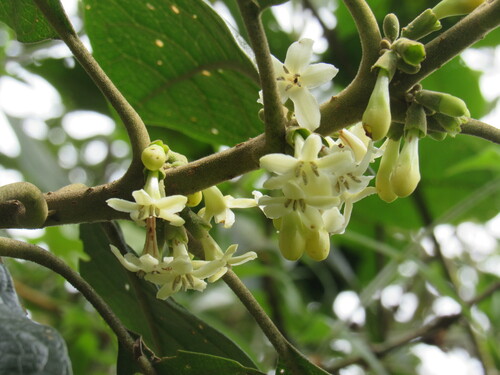
Satureja punctata
(Benth.) Briq.

iNaturalist · cc-by-nc
(c) Nganso T. Beatrice, some rights reserved (CC BY-NC)
(c) Nganso T. Beatrice, some rights reserved (CC BY-NC)
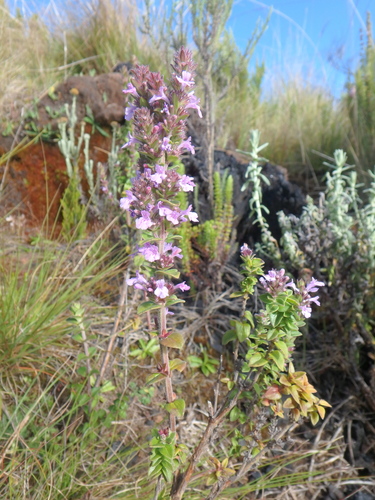
iNaturalist · cc-by-nc-sa
(c) Pádraic Flood, some rights reserved (CC BY-NC-SA)
(c) Pádraic Flood, some rights reserved (CC BY-NC-SA)
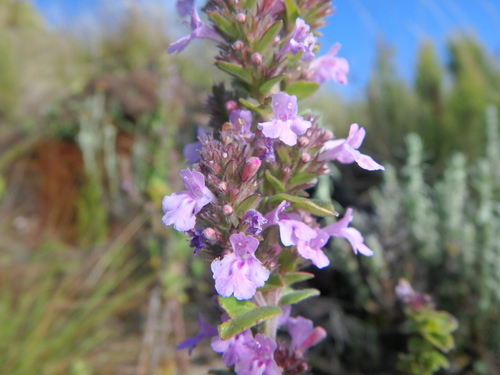
iNaturalist · cc-by-nc-sa
(c) Pádraic Flood, some rights reserved (CC BY-NC-SA)
(c) Pádraic Flood, some rights reserved (CC BY-NC-SA)
What to Eat
Edible parts: Leaves, Flowers
The leaves and flowers are used to improve the quality of milk.
Where to Find It
It is a tropical plant.
Africa, East Africa, Ethiopia,
Countries: Angola, Burkina Faso, Burundi, Benin, Botswana, Congo (DRC), Central African Republic, Congo (Republic), Cote d'Ivoire, Cameroon, Cape Verde, Djibouti, Algeria, Egypt, Eritrea, Ethiopia, Gabon, Ghana, Gambia, Guinea, Equatorial Guinea, Guinea-Bissau, Kenya, Comoros, Liberia, Lesotho, Libya, Morocco, Madagascar, Mali, Mauritania, Mauritius, Malawi, Mozambique, Namibia, Niger, Nigeria, Rwanda, Seychelles, Sudan, Sierra Leone, Senegal, Somalia, South Sudan, Sao Tome & Principe, Eswatini, Chad, Togo, Tunisia, Tanzania, Uganda, South Africa, Zambia, Zimbabwe
How to Identify
A shrub in the mint family (Lamiaceae) found in tropical regions. The leaves and flowers are aromatic plant parts used traditionally to enhance milk quality.
Medicinal Uses
The leaves and flowers are used to improve the quality of milk.
Names & Synonyms
Gemuri, Xossinyii
References (2)
- Lulekal, E., et al, 2011, Wild edible plants in Ethiopia: a review on their potential to combat food insecurity. Afrika Focus - Vol. 24, No 2. pp 71-121
- Regassa, T., et al, 2014, Ethnobotany of Wild and Semi-Wild Edible Plants of Chelia District, West-Central Ethiopia. Science, Technology and Arts Research Journal. 3(4): 122-134