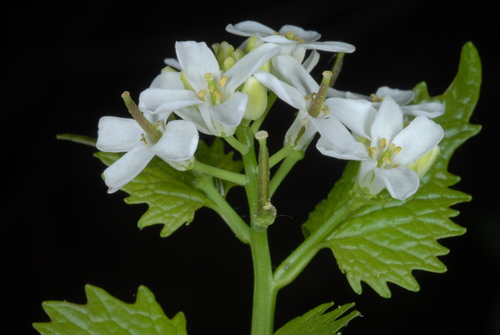
Cardamine griffithii
H. F. & T.
BrassicaceaeLeaves
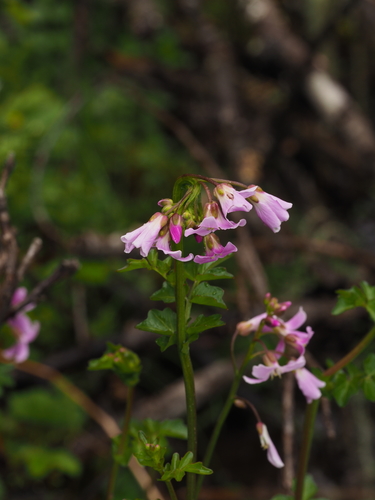
iNaturalist · cc-by-nc
(c) 小铖/Smalltown, some rights reserved (CC BY-NC), uploaded by 小铖/Smalltown
(c) 小铖/Smalltown, some rights reserved (CC BY-NC), uploaded by 小铖/Smalltown

iNaturalist · cc-by-nc
(c) 通通, some rights reserved (CC BY-NC)
(c) 通通, some rights reserved (CC BY-NC)
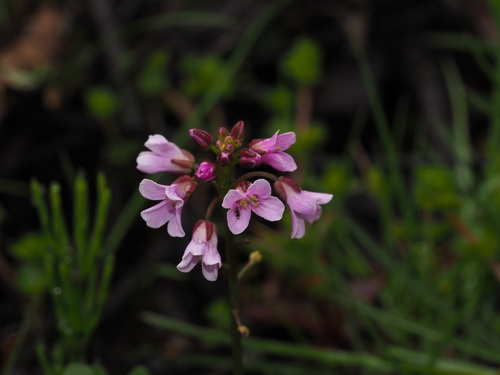
iNaturalist · cc-by-nc
(c) 小铖/Smalltown, some rights reserved (CC BY-NC)
(c) 小铖/Smalltown, some rights reserved (CC BY-NC)
What to Eat
Edible parts: Leaves
The leaves are eaten.
Where to Find It
It is a temperate plant. It grows between 3,000-3,800 m above sea level. In Sichuan and Yunnan.
Asia, Bhutan, China, Himalayas, India, Nepal, Northeastern India, Sikkim, Tibet,
Countries: United Arab Emirates, Afghanistan, Armenia, Azerbaijan, Bangladesh, Bahrain, Brunei, Bhutan, China, Georgia, Indonesia, Israel, India, Iraq, Iran, Jordan, Japan, Kyrgyzstan, Cambodia, North Korea, South Korea, Kuwait, Kazakhstan, Laos, Lebanon, Sri Lanka, Myanmar, Mongolia, Maldives, Malaysia, Nepal, Oman, Philippines, Pakistan, Qatar, Saudi Arabia, Singapore, Syria, Thailand, Tajikistan, Timor-Leste, Turkmenistan, Turkey, Taiwan, Uzbekistan, Vietnam, Yemen
How to Identify
A cabbage family herb. It keeps growing from year to year. It grows 30-100 cm tall. It has a creeping rhizome. The stems are erect and have 12-28 leaves.
Wikipedia
Source ↗Cardamine griffithii is a species of herb characterized by angled or grooved stems that are sparsely branched above and can reach heights of up to 60 cm. The plant is glabrous, meaning it lacks hair or trichomes.
References (3)
- Flora of China @ efloras.org Volume 8
- Sundriyal, M., et al, 1998, Wild edibles and other useful plants from the Sikkim Himalaya, India. Oecologia Montana 7:43-54
- Sundriyal, M., et al, 2004, Dietary Use of Wild Plant Resources in the Sikkim Himalaya, India. Economic Botany 58(4) pp 626-638