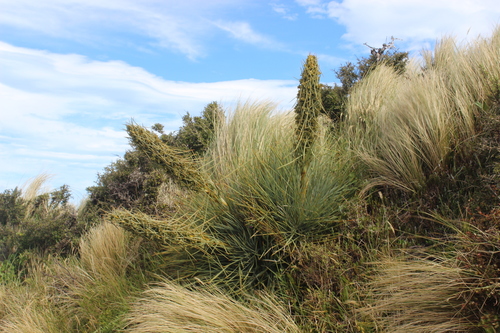
Zizia aptera
(A. Gray) Fernald
Golden alexanders
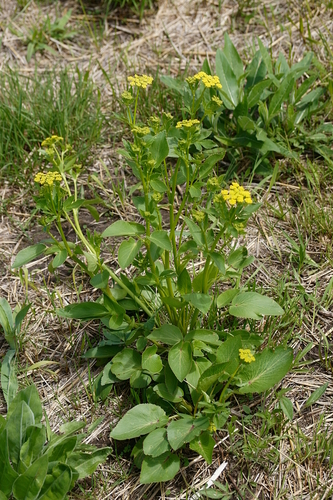
(c) psweet, some rights reserved (CC BY-SA), uploaded by psweet
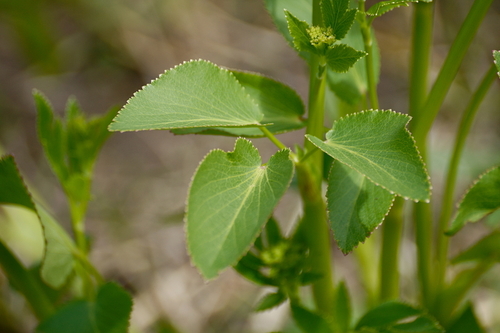
(c) psweet, some rights reserved (CC BY-SA), uploaded by psweet
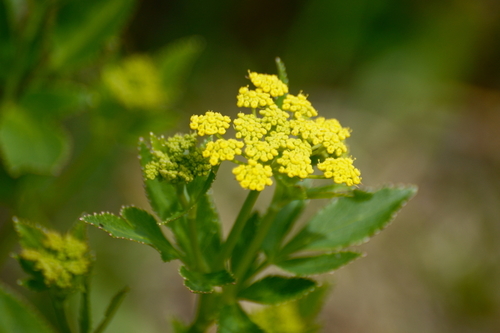
(c) psweet, some rights reserved (CC BY-SA), uploaded by psweet
What to Eat
Edible parts: Flowers
None known
Where to Find It
It is a temperate plant. It suits hardiness zone 4.
Canada, North America, USA,
How to Identify
Heart-leaved Alexander is an evergreen perennial reaching 0.6m tall and wide, hardy to UK zone 5. Insect-pollinated flowers attract wildlife. It prefers well-drained soil in light sandy, medium loamy, or heavy clay with mildly acid to very alkaline pH. It tolerates semi-shade or full sun and adapts to both dry and moist soils, showing drought tolerance.
How to Grow
Propagation: Seed is probably best sown in spring in a cold frame. When seedlings are large enough to handle, prick them out into individual pots and grow on in the greenhouse through their first winter. Plant out into permanent positions in late spring or early summer, after the last expected frosts.
Medicinal Uses
The presence of secondary compounds such as apterin may contribute to the medicinal potential of Zizia species. Zizia aurea roots have been used by Native Americans as a tea to treat fevers, and the plant has been identified as a vulnerary, or wound-healing, agent.
Other Uses
The flowers are a nectar and pollen source for beneficial insects, attracting butterflies as well as small bees (Halictid, Andrenid, and Nomadine species) and flies (Chloropid, Tachinid, Muscid, Syrphid, and others). Occasional beetles and plant bugs also visit the flowers; bees collect pollen in addition to nectar, while some flies and beetles may feed on pollen alone. The seed heads attract birds. Caterpillars of the Black Swallowtail butterfly (Papilio polyxenes asterias) feed on the foliage of this and other members of the Carrot family. The plant is well suited to wild gardens, informal plantings, and native wildflower collections. It is also used as a cut flower and in raingarden plantings for water purification.
Wikipedia
Source ↗Zizia aptera is a flowering plant native to North America. Its common names include meadow zizia, golden alexanders, heart leaved golden alexanders, and prairie golden alexanders.
Names & Synonyms
References (2)
- Jackes, D. A., 2007, Edible Forest Gardens
- Plants For A Future.