Lentinula lateritia
(Berk.) Pegler
MarasmiaceaeMushrooms
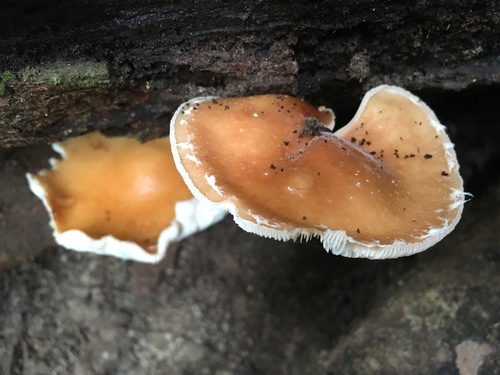
iNaturalist · cc-by-nc
(c) Rene, some rights reserved (CC BY-NC), uploaded by Rene
(c) Rene, some rights reserved (CC BY-NC), uploaded by Rene
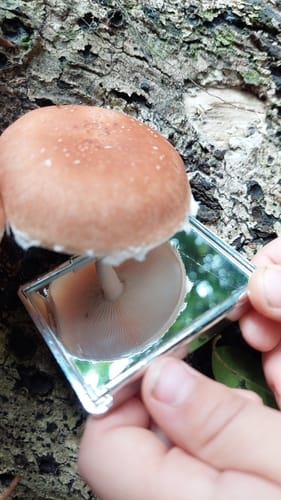
iNaturalist · cc-by-nc
(c) fungusamongus2020, some rights reserved (CC BY-NC)
(c) fungusamongus2020, some rights reserved (CC BY-NC)
What to Eat
Edible parts: Mushroom, Fungus
The mushroom fruiting body is edible.
Where to Find It
It is a temperate plant.
Asia, India, Northeastern India, Papua New Guinea, PNG,
Countries: United Arab Emirates, Afghanistan, Armenia, Azerbaijan, Bangladesh, Bahrain, Brunei, Bhutan, China, Georgia, Indonesia, Israel, India, Iraq, Iran, Jordan, Japan, Kyrgyzstan, Cambodia, North Korea, South Korea, Kuwait, Kazakhstan, Laos, Lebanon, Sri Lanka, Myanmar, Mongolia, Maldives, Malaysia, Nepal, Oman, Papua New Guinea, Philippines, Pakistan, Qatar, Saudi Arabia, Singapore, Syria, Thailand, Tajikistan, Timor-Leste, Turkmenistan, Turkey, Taiwan, Uzbekistan, Vietnam, Yemen
How to Identify
A mushroom in the family Marasmiaceae found in temperate regions.
Wikipedia
Source ↗Lentinula lateritia is a species of agaric fungus in the family Omphalotaceae. It is found in South-east Asia and Australasia, except for New Zealand. Originally described by Miles Joseph Berkeley in 1881 as a species of Agaricus, it was transferred to the genus Lentinula in 1983 by David Pegler.
Names & Synonyms
Cipa, Hogben, Naypung, Papinii
References (3)
- Boa, E. R., 2004, Wild edible fungi and their importance to people. FAO Non Wood Forest Products Booklet 17
- Pfoze, N. L., et al, 2012, Assessment of Local Dependency on Selected Wild Edible Plants and fruits from Senapati district, Manipur, Northeast India. Ethnobotany Research & Applications 10:357-367
- Sillitoe, P. 1995, An Ethnobotanical Account of the Plant Resources of the Wola Region, Southern Highlands Province, Papua New Guinea. J. Ethnobiol. 15(2): 201-235

