Ranunculus neapolitanus
Ten.
RanunculaceaeLeaves
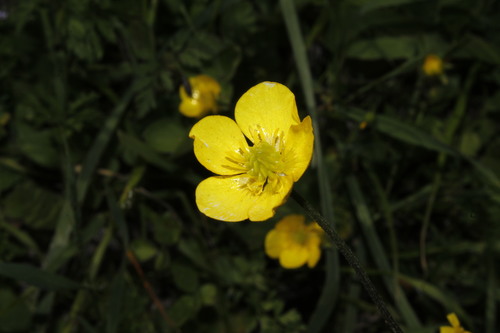
iNaturalist · cc-by-nc
(c) Σάββας Ζαφειρίου (Savvas Zafeiriou), some rights reserved (CC BY-NC), uploaded by Σάββας Ζαφειρίου (Savvas Zafeiriou)
(c) Σάββας Ζαφειρίου (Savvas Zafeiriou), some rights reserved (CC BY-NC), uploaded by Σάββας Ζαφειρίου (Savvas Zafeiriou)
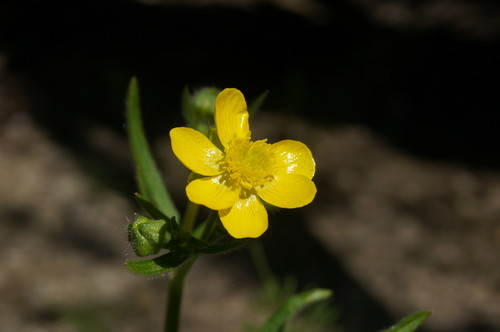
iNaturalist · cc-by-nc
(c) Сергей, some rights reserved (CC BY-NC), uploaded by Сергей
(c) Сергей, some rights reserved (CC BY-NC), uploaded by Сергей
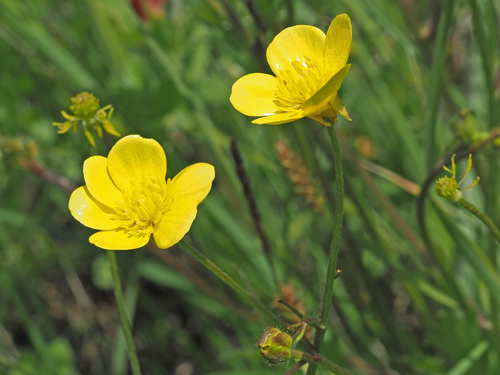
iNaturalist · cc-by-nc
(c) Felix Riegel, some rights reserved (CC BY-NC), uploaded by Felix Riegel
(c) Felix Riegel, some rights reserved (CC BY-NC), uploaded by Felix Riegel
What to Eat
Edible parts: Sprouts, Leaves
Fresh sprouts and leaves are used in salads.
Where to Find It
It is a Mediterranean plant.
Balkans, Bosnia, Croatia, Mediterranean, Turkey, Türkiye,
How to Identify
A Mediterranean herb in the Ranunculaceae family.
Names & Synonyms
Kazayagi
References (4)
- Dolina, K. & Luczaj, L., 2014, Wild food plants used on the Dubrovnik coast (south-eastern Croatia) Acta Soc Bot Pol 83(3):175–181
- Kargioglu, M. et al, 2010, Traditional Uses of Wild Plants in the Middle Aegean Region. Human Ecology 38:429-450
- Luczaj et al, 2013, Wild vegetable mixes sold in the markets of Dalmatia (southern Croatia). Journal of Ethnobiology and Ethnomedicine. 8:2
- Luczaj, L. et al, 2014, Wild Food Plants of Dalmatia (Croatia). in A. Pieroni, C. L. Quave (eds.), Ethnobotany and Biocultural Diversities in the Balkans, p 142


