Digitalis thapsi
L.
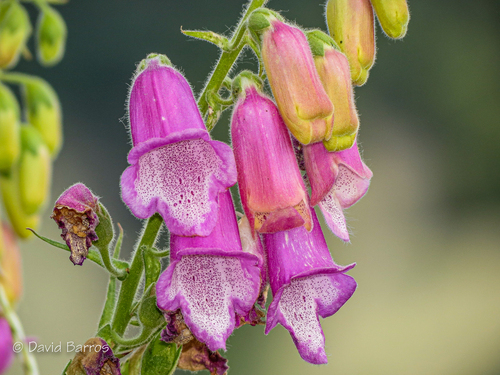
iNaturalist · cc-by-nc
(c) David Barros Cardona, some rights reserved (CC BY-NC), uploaded by David Barros Cardona
(c) David Barros Cardona, some rights reserved (CC BY-NC), uploaded by David Barros Cardona
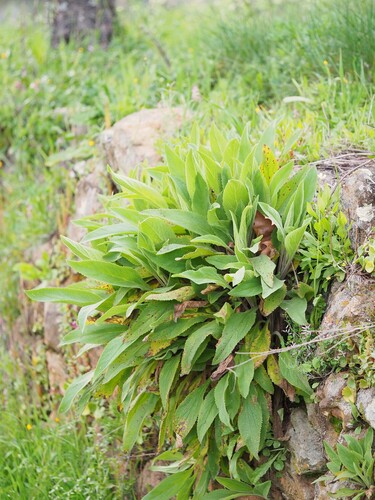
iNaturalist · cc-by-nc
(c) Sergio Ibarra, some rights reserved (CC BY-NC), uploaded by Sergio Ibarra
(c) Sergio Ibarra, some rights reserved (CC BY-NC), uploaded by Sergio Ibarra
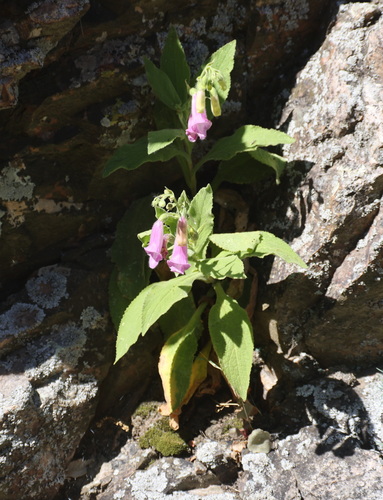
iNaturalist · cc-by-nc
(c) Y Nielsen, some rights reserved (CC BY-NC), uploaded by Y Nielsen
(c) Y Nielsen, some rights reserved (CC BY-NC), uploaded by Y Nielsen
What to Eat
Edible parts: Flower - nectar, Caution
The flowers are sucked for their nectar.
Known Hazards
Where to Find It
It is a Mediterranean climate plant.
Europe, Mediterranean, Spain,
Countries: Andorra, Albania, Austria, Bosnia & Herzegovina, Belgium, Bulgaria, Belarus, Switzerland, Cyprus, Czechia, Germany, Denmark, Algeria, Estonia, Egypt, Spain, Finland, France, United Kingdom, Greece, Croatia, Hungary, Ireland, Israel, Iceland, Italy, Lebanon, Liechtenstein, Lithuania, Luxembourg, Latvia, Libya, Morocco, Monaco, Moldova, Montenegro, North Macedonia, Malta, Netherlands, Norway, Poland, Portugal, Romania, Serbia, Russia, Sweden, Slovenia, Slovakia, San Marino, Syria, Tunisia, Turkey, Ukraine
How to Identify
A Mediterranean herb in the Scrophulariaceae family.
Wikipedia
Source ↗Digitalis thapsi, which has been called mullein foxglove in the US, is a flowering plant in the genus Digitalis that is endemic to the Iberian Peninsula, where it occurs in eastern Portugal and central and western Spain. It is of commercial importance as an ornamental plant. Hybrids with D. purpurea have proved successful and are fertile.
Names & Synonyms
Chupador, Chupera, Dedalera
References (2)
- Gonzalez, J. A., et al, 2011, The consumption of wild and semi-domesticated edible plants in the Arribes del Duero (Salamanca-Zamora, Spain): an ananalysis of traditional knowledge. Genetic Resources and Crop Evolution 58:991-1006
- Tardio, J., et al, Ethnobotanical review of wild edible plants in Spain. Botanical J. Linnean Soc. 152 (2006), 27-71