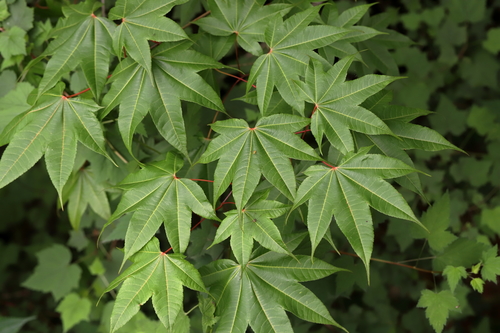
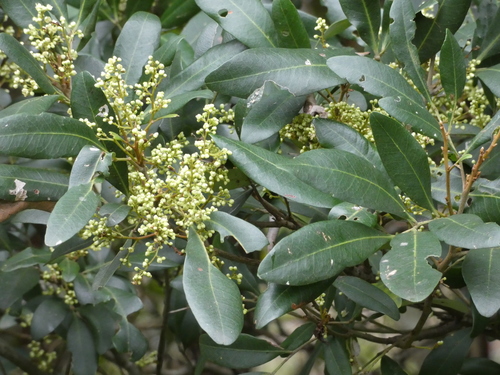
Guioa semiglauca
(F. Muell.) Raldk.
Wild quince
iNaturalist · cc-by-nc-sa
(c) Nick Lambert, some rights reserved (CC BY-NC-SA), uploaded by Nick Lambert
(c) Nick Lambert, some rights reserved (CC BY-NC-SA), uploaded by Nick Lambert

iNaturalist · cc-by-sa
(c) Greg Tasney, some rights reserved (CC BY-SA)
(c) Greg Tasney, some rights reserved (CC BY-SA)

iNaturalist · cc-by-sa
(c) Greg Tasney, some rights reserved (CC BY-SA)
(c) Greg Tasney, some rights reserved (CC BY-SA)
What to Eat
Edible parts: Fruit
The fruit are eaten raw once the capsules split, revealing the yellow or orange flesh inside.
Known Hazards
How to Identify
A tropical tree in the Sapindaceae family that grows 8-15 m tall, producing small, sour fruit with yellow or orange flesh that splits open when ripe.
Wikipedia
Source ↗Guioa semiglauca, known as the guioa or wild quince, is a rainforest tree of eastern Australia It grows from Kioloa (35° S) near Batemans Bay in southern New South Wales to Eungella National Park (20° S) in tropical Queensland. It grows in many different types of rainforest, particularly common in regenerating areas and on sand in littoral rainforest.
Names & Synonyms
Arytera semiglauca F. Muell.Cupania semiglauca F. Muell. ex Benth.Guioa chrysantha Radlk.
References (2)
- Edible and Useful Native Plants (off internet)
- Yallakool Reserve Plant List July 1, 2009 Off internet