Commiphora gileadensis
(L.) C. Chr.
Balm of gilead, Balsam tree

(c) Ali Mohammed Alzahrani, some rights reserved (CC BY-NC)
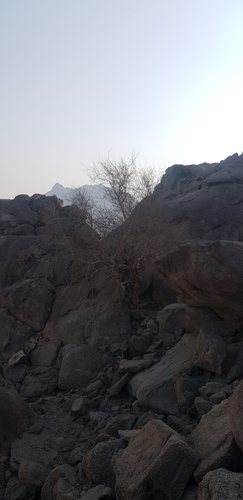
(c) Ateah Alfakih, some rights reserved (CC BY-NC-SA)

(c) Ateah Alfakih, some rights reserved (CC BY-NC-SA)
What to Eat
Edible parts: Resin - flavouring
The resin is used as a flavouring, and the fruit are eaten.
Where to Find It
It is a Mediterranean and tropical plant.
Africa, Arabia, East Africa, Egypt, Ethiopia, Mediterranean, Middle East, North Africa, Oman, Palestine, Saudi Arabia, Somalia, Sudan, Yemen,
How to Identify
A shrub or tree. The bark exudes a sweet smelling resin. The leaves have 3-5 leaflets. The flowers are red. The fruit are dull red.
How to Grow
A plant of the drier areas of the tropics, where it is found at elevations from near sea level to over 1,300 metres.
Medicinal Uses
The gum resin obtained from the stems is astringent, demulcent, diaphoretic, stomachic and vulnerary. It is used in the treatment of discharges from the genito-urinary organs. The gum is applied externally to cleanse and heal wounds, bad ulcers, sores etc. The fruit is carminative, expectorant and stimulant. The essential oil contains a bitter substance.
Other Uses
A brown to reddish gum resin called 'Balsam of Gilead' is obtained from wounds or incisions in the stems, or by boiling the wood or the leaves. It is used in incenses and perfumery.
Wikipedia
Source ↗Commiphora gileadensis, the Arabian balsam tree, is a shrub species in the family Burseraceae growing in Saudi Arabia, Yemen, southern Oman, Sudan and in southeast Egypt where it may have been introduced. Other common names for the plant include balm of Gilead and Mecca myrrh, but this is due to historical confusion between several plants and the historically important expensive perfumes and drugs obtained from them. True balm of Gilead was very rare, and appears to have been produced from the unrelated tree Pistacia lentiscus. The Commiphora gileadensis species also used to include Commiphora foliacea, however it was identified and described as a separate species
Other Information
The fruit are enjoyed.
Notes
An unresolved name in The Plant List.
Names & Synonyms
Meccah myrrh
References (4)
- Ben-Yehpshua, S. & Hanus, L. O., 2014, Apharsemon, Myrrh and Olibanum: Ancient Medical Plants, in Z. Yaniv, N. Dudai (eds.), Medicinal and Aromatic Plants of the Middle-East, Springer (As Commiphora opobalsamum)
- Miller, A. G., Morris, M. & Stuart-Smith, S., 1988, Plants of Dhofar. The Southern Region of Oman, Traditional, Economic and Medicinal Uses. Sultanate of Oman. p 84
- Seidemann J., 2005, World Spice Plants. Economic Usage, Botany, Taxonomy. Springer. p 115 (As Commiphora opobalsamum)
- World Checklist of Useful Plant Species 2020. Royal Botanic Gardens, Kew


