Globba racemosa
Sm.
Dancing girl ginger

iNaturalist · cc-by-nc-sa
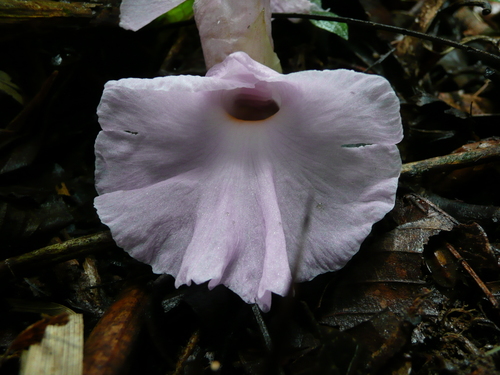
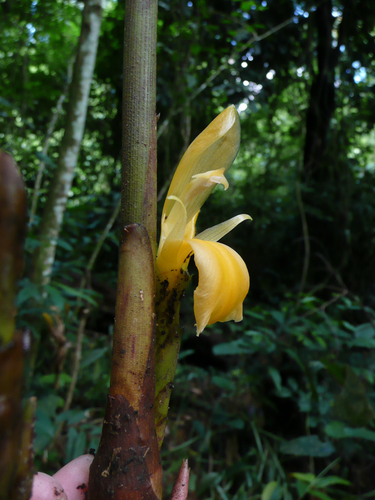
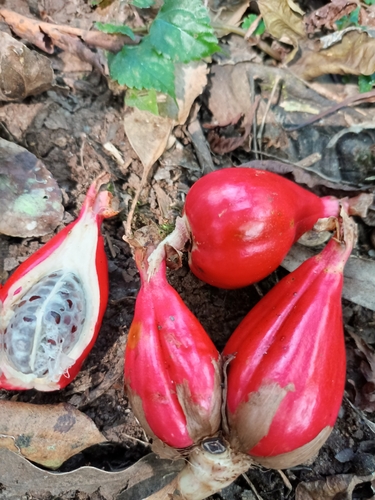
(c) 106611639464075912591, some rights reserved (CC BY-NC-SA), uploaded by 106611639464075912591
(c) 106611639464075912591, some rights reserved (CC BY-NC-SA), uploaded by 106611639464075912591
iNaturalist · cc-by
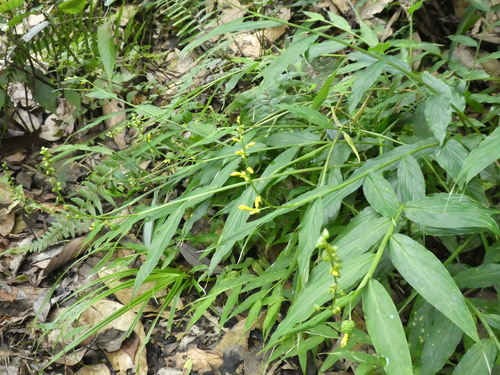
(c) Aaron Liston, some rights reserved (CC BY), uploaded by Aaron Liston
(c) Aaron Liston, some rights reserved (CC BY), uploaded by Aaron Liston

iNaturalist · cc-by-nc
(c) Vijay Anand Ismavel, some rights reserved (CC BY-NC)
(c) Vijay Anand Ismavel, some rights reserved (CC BY-NC)
What to Eat
Edible parts: Leaves, Flowers
The leaves and flowers are cooked and eaten.
Where to Find It
It is a subtropical plant. It grows in forests in southern China between 400-1,300 m above sea level. In Sichuan and Yunnan.
Asia, Bangladesh, Bhutan, China, Himalayas, India, Indochina, Myanmar, Nepal, Northeastern India, SE Asia, Sikkim, Thailand, Tibet,
Countries: United Arab Emirates, Afghanistan, Armenia, Azerbaijan, Bangladesh, Bahrain, Brunei, Bhutan, China, Georgia, Indonesia, Israel, India, Iraq, Iran, Jordan, Japan, Kyrgyzstan, Cambodia, North Korea, South Korea, Kuwait, Kazakhstan, Laos, Lebanon, Sri Lanka, Myanmar, Mongolia, Maldives, Malaysia, Nepal, Oman, Philippines, Pakistan, Qatar, Saudi Arabia, Singapore, Syria, Thailand, Tajikistan, Timor-Leste, Turkmenistan, Turkey, Taiwan, Uzbekistan, Vietnam, Yemen
How to Identify
A ginger family herb. The false stems are 60-100 cm tall. The base is expanded. The leaves are oblong and 12-20 cm long by 4-5 cm wide. The flowering head is 15-20 cm long. The flowers are yellow with orange dots.
Names & Synonyms
Qinteng
Globba bulbosa Gagnep.Globba mairei H. Lev.Globba orixensis var. racemosa (Sm.) Gagnep.Globba simaoensis Y. T. QianGlobba strigulosa K. Schum.
References (1)
- Xu, You-Kai, et al, 2004, Wild Vegetable Resources and Market Survey in Xishuangbanna, Southwest China. Economic Botany. 58(4): 647-667.