Pleurotus smithii
Guzman
PleurotaceaeMushrooms

iNaturalist · cc-by-nc
(c) Hugo Basurto, some rights reserved (CC BY-NC), uploaded by Hugo Basurto
(c) Hugo Basurto, some rights reserved (CC BY-NC), uploaded by Hugo Basurto
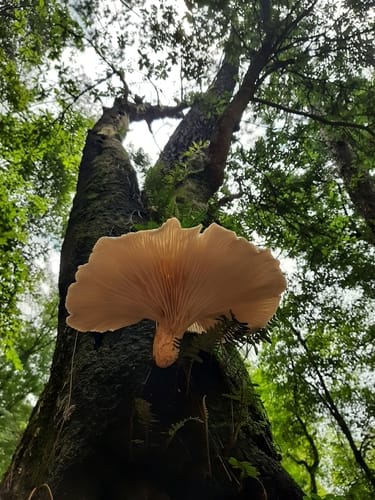
iNaturalist · cc-by-nc
(c) Alejandro López Marcos, some rights reserved (CC BY-NC)
(c) Alejandro López Marcos, some rights reserved (CC BY-NC)
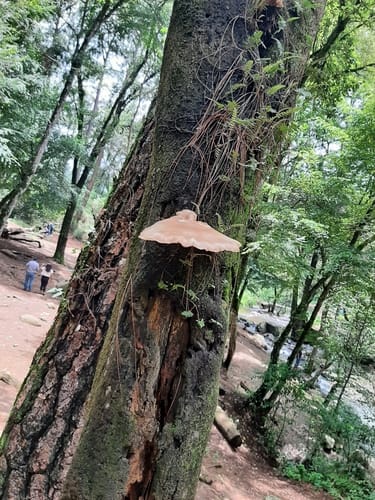
iNaturalist · cc-by-nc
(c) Alejandro López Marcos, some rights reserved (CC BY-NC)
(c) Alejandro López Marcos, some rights reserved (CC BY-NC)
What to Eat
Edible parts: Mushroom, Fungus
The mushroom fruiting body is edible.
Where to Find It
It is a subtropical plant.
Mexico, North America,
Countries: Antigua & Barbuda, Barbados, Bahamas, Belize, Canada, Costa Rica, Cuba, Dominica, Dominican Republic, Grenada, Guatemala, Honduras, Haiti, Jamaica, St Kitts & Nevis, St Lucia, Mexico, Nicaragua, Panama, Puerto Rico, El Salvador, Trinidad & Tobago, United States, St Vincent
How to Identify
A subtropical mushroom in the family Pleurotaceae.
Wikipedia
Source ↗Pleurotus smithii is a species of fungus in the family Pleurotaceae, described as new to science by mycologist Gastón Guzmán in 1975. Like other species of the Pleurotus cystidiosus clade, it has an anamorphic form, named Antromycopsis guzmanii. P. smithii can be distinguished from P. cystidiosus by lack of pleurocystidia or them being only present in young stages as cystidioid elements, short hyphal segments of the conidiophores in the anamorph, and long subcylindrical cheilocystidia in the teleomorph form.
References (1)
- Boa, E. R., Wild edible fungi and their importance to people. FAO Non Wood Forest Products Booklet 17


