Cotylidia aurantiaca
(Pers.) Welden
RepetobasidiaceaeMushrooms
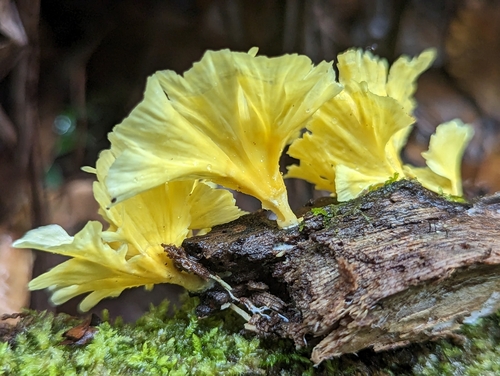
iNaturalist · cc-by
(c) Alan Rockefeller, some rights reserved (CC BY), uploaded by Alan Rockefeller
(c) Alan Rockefeller, some rights reserved (CC BY), uploaded by Alan Rockefeller
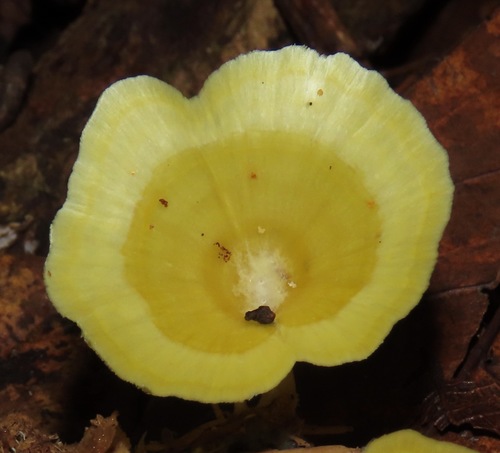
iNaturalist · cc-by-nc-sa
(c) Rich Hoyer, some rights reserved (CC BY-NC-SA), uploaded by Rich Hoyer
(c) Rich Hoyer, some rights reserved (CC BY-NC-SA), uploaded by Rich Hoyer
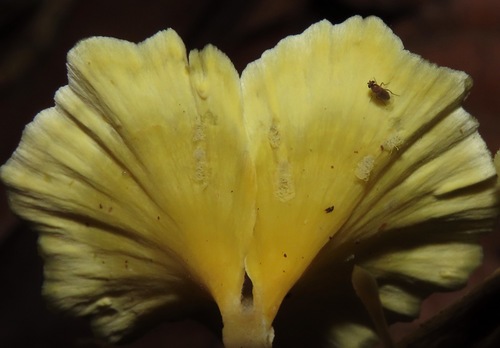
iNaturalist · cc-by-nc-sa
(c) Rich Hoyer, some rights reserved (CC BY-NC-SA), uploaded by Rich Hoyer
(c) Rich Hoyer, some rights reserved (CC BY-NC-SA), uploaded by Rich Hoyer
What to Eat
Edible parts: Mushroom, Fungus
The mushroom fruiting body is edible.
Where to Find It
It is a tropical plant. It grows in dry evergreen forest. It can grow in Miombo woodland and on termite mounds.
Africa, Burundi, Central Africa, Congo DR, East Africa, Guadeloupe, Rwanda, West Indies, Zimbabwe,
Countries: Antigua & Barbuda, Angola, Barbados, Burkina Faso, Burundi, Benin, Bahamas, Botswana, Congo (DRC), Central African Republic, Congo (Republic), Cote d'Ivoire, Cameroon, Cuba, Cape Verde, Djibouti, Dominica, Dominican Republic, Algeria, Egypt, Eritrea, Ethiopia, Gabon, Grenada, Ghana, Gambia, Guinea, Equatorial Guinea, Guinea-Bissau, Haiti, Jamaica, Kenya, Comoros, St Kitts & Nevis, St Lucia, Liberia, Lesotho, Libya, Morocco, Madagascar, Mali, Mauritania, Mauritius, Malawi, Mozambique, Namibia, Niger, Nigeria, Puerto Rico, Rwanda, Seychelles, Sudan, Sierra Leone, Senegal, Somalia, South Sudan, Sao Tome & Principe, Eswatini, Chad, Togo, Tunisia, Trinidad & Tobago, Tanzania, Uganda, St Vincent, South Africa, Zambia, Zimbabwe
How to Identify
A tropical mushroom in the Repetobasidiaceae family that grows in dry evergreen forests, Miombo woodlands, and on termite mounds.
Names & Synonyms
Podoscypha aurantiaceae Pat.Thelephora aurantiaca Pers.
References (5)
- Boa, E. R., 2004, Wild edible fungi and their importance to people. FAO Non Wood Forest Products Booklet 17
- Degreef, J., et al, 1997, Edible Mushrooms of the Zambezian woodland area. A nutritional and ecological approach. Biotechnol. Agron. Soc. Envir. 1(3): 221-231
- Degreef, J., et al, 2016, Wild edible mushrooms, a valuable resource for food security and rural development in Burundi and Rwanda. Biotechnol. Agron. Soc. Environ. 2016 20(4), 441-452
- efta-online.org, Edible Fungi of Tropical Africa, Jardin botanique Meise
- Kamalebo, H. M., et al, 2018, Uses and importance of wild fungi: traditional knowledge from the Tshopo province in the Democratic Republic of the Congo. Journal of Ethnobiology and Ethnomedicine (2018) 14:13