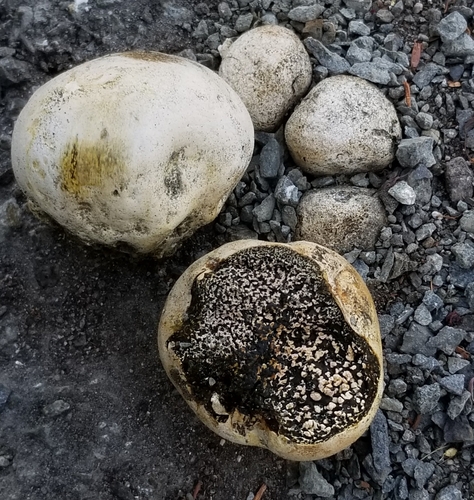
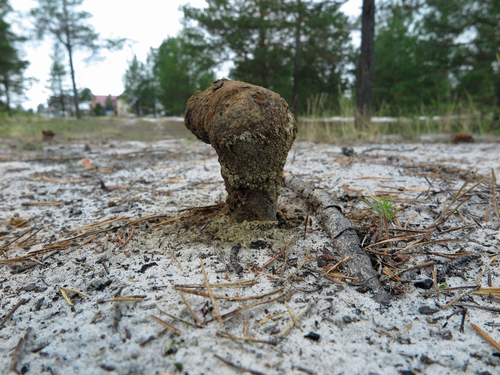
Scleroderma polyrhizum
(J. F. Gmel.) Pers.

(c) Christian Schwarz, some rights reserved (CC BY-NC), uploaded by Christian Schwarz
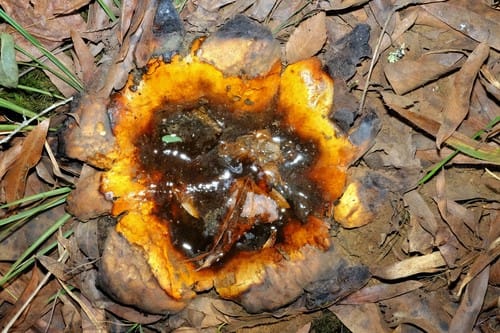
(c) Rose A. Payne, some rights reserved (CC BY-NC)
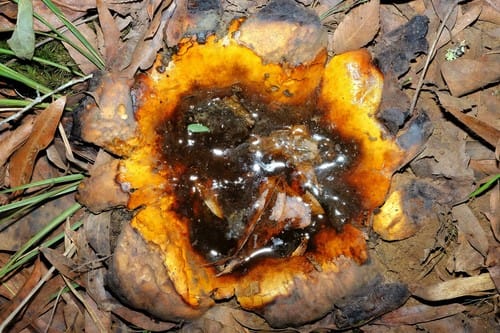
(c) Rose A. Payne, some rights reserved (CC BY-NC)
What to Eat
Edible parts: Mushroom, Fungus
Scleroderma polyrhizum fruit bodies have been used in traditional Chinese medicine for detumescence and hemostasis. They contain various ergosterol-type steroids.
Known Hazards
Where to Find It
It is a temperate plant.
Asia, China, Hong Kong, Nepal,
How to Identify
A mushroom.
Wikipedia
Source ↗Scleroderma polyrhizum, commonly known as the star earthball or dead man's hand, is a basidiomycete fungus and a member of the genus Scleroderma, or "earthballs". Found in dry, sandy soils, this species begins completely buried before slowly forcing the soil aside as it cracks apart to form a rough, star-shaped body with a diameter of 12–15 cm (4.7–5.9 in). At the center is the dark, brownish spore mass. Widely distributed wherever the soil and climate are favorable, it is known from Eurasia and the Americas. The species contains toxins which, if ingested, cause serious gastric upset.
Notes
Also put in the family Lycoperdiaceae.
References (2)
- Boa, E. R., 2004, Wild edible fungi and their importance to people. FAO Non Wood Forest Products Booklet 17
- Christensen, M., et al, 2008, Collection and Use of Wild Edible Fungi in Nepal. Economic Botany, 62(1), 2008, pp. 12–23