Cantharellus eucalyptorum
Ducousso, A.M. Be & Thoen
CantharellaceaeMushrooms
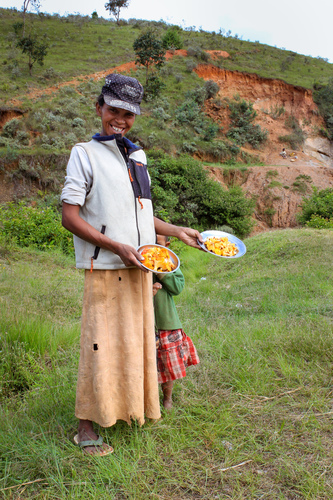
iNaturalist · cc-by-nc-sa
(c) Danny Newman, some rights reserved (CC BY-NC-SA), uploaded by Danny Newman
(c) Danny Newman, some rights reserved (CC BY-NC-SA), uploaded by Danny Newman
What to Eat
Edible parts: Mushroom, Fungus
The fruiting body is eaten as a mushroom.
Dangerous Lookalikes
This plant can be confused with the following toxic species. Always verify identification carefully before consuming any wild plant.
VERY TOXIC

Jack-O'-Lantern Mushroom
Omphalotus olearius
SAFE
Cantharellus eucalyptorum
Cantharellus eucalyptorum


Jack-O'-Lantern Mushroom: True knife-like gills, grows in clusters on wood/stumps, glows in the dark, orange throughout.
Cantharellus eucalyptorum: Blunt forked ridges (not true gills), grows singly from soil, apricot/fruity smell, solid flesh.
Where to Find It
It is a tropical plant.
Africa, East Africa, Madagascar,
Countries: Angola, Burkina Faso, Burundi, Benin, Botswana, Congo (DRC), Central African Republic, Congo (Republic), Cote d'Ivoire, Cameroon, Cape Verde, Djibouti, Algeria, Egypt, Eritrea, Ethiopia, Gabon, Ghana, Gambia, Guinea, Equatorial Guinea, Guinea-Bissau, Kenya, Comoros, Liberia, Lesotho, Libya, Morocco, Madagascar, Mali, Mauritania, Mauritius, Malawi, Mozambique, Namibia, Niger, Nigeria, Rwanda, Seychelles, Sudan, Sierra Leone, Senegal, Somalia, South Sudan, Sao Tome & Principe, Eswatini, Chad, Togo, Tunisia, Tanzania, Uganda, South Africa, Zambia, Zimbabwe
How to Identify
A mushroom in the chanterelle family found in tropical regions.
References (1)
- Boa, E. R., 2004, Wild edible fungi and their importance to people. FAO Non Wood Forest Products Booklet 17


