Enteridium lycoperdon
(Bull.) M. L. Farr
False puffball
ReticulariaceaeMushrooms
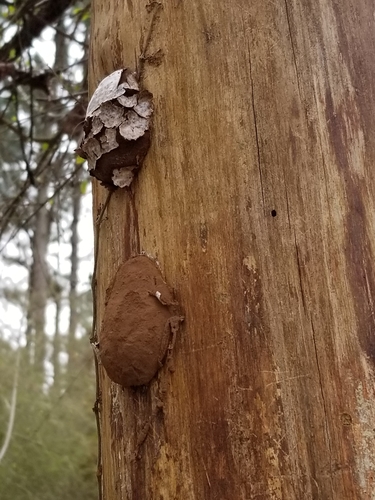
iNaturalist · cc-by-nc
(c) babette Dillon, some rights reserved (CC BY-NC)
(c) babette Dillon, some rights reserved (CC BY-NC)
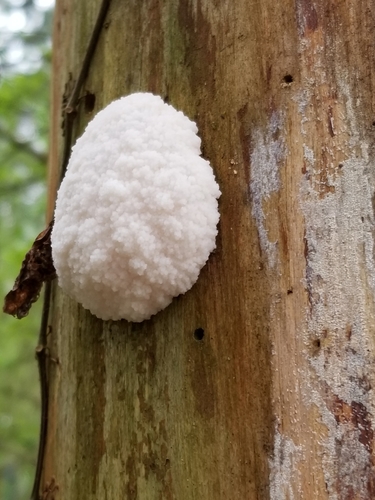
iNaturalist · cc-by-nc
(c) babette Dillon, some rights reserved (CC BY-NC)
(c) babette Dillon, some rights reserved (CC BY-NC)
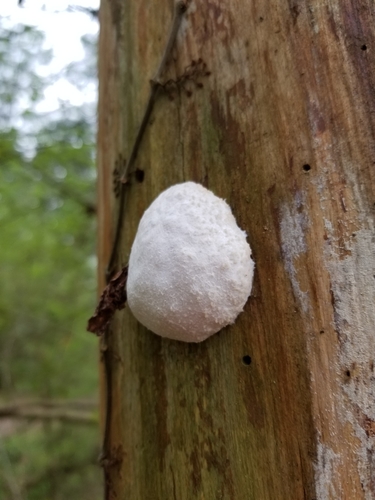
iNaturalist · cc-by-nc
(c) babette Dillon, some rights reserved (CC BY-NC)
(c) babette Dillon, some rights reserved (CC BY-NC)
What to Eat
Edible parts: Mushroom, Fungus
The fruiting body is edible.
Where to Find It
It is a subtropical plant.
Mexico, North America,
Countries: Antigua & Barbuda, Barbados, Bahamas, Belize, Canada, Costa Rica, Cuba, Dominica, Dominican Republic, Grenada, Guatemala, Honduras, Haiti, Jamaica, St Kitts & Nevis, St Lucia, Mexico, Nicaragua, Panama, Puerto Rico, El Salvador, Trinidad & Tobago, United States, St Vincent
How to Identify
Enteridium lycoperdon, also known as false puffball, is a fungal organism in the family Reticulariaceae found in subtropical regions.
Wikipedia
Source ↗Enteridium lycoperdon, the false puffball, is one of the more conspicuous species of slime mould or Myxogastria, typically seen in its reproductive phase as a white 'swelling' on standing dead trees in the spring, or on large pieces of fallen wood. Alder (Alnus glutinosa) is a common host.
References (1)
- Boa, E. R., 2004, Wild edible fungi and their importance to people. FAO Non Wood Forest Products Booklet 17