Zingiber neotruncatum
T. L. Wu, K. Larsen & Turland
iNaturalist · cc-by-nc
(c) 丁洪波, some rights reserved (CC BY-NC), uploaded by 丁洪波
(c) 丁洪波, some rights reserved (CC BY-NC), uploaded by 丁洪波
What to Eat
Edible parts: Rhizome - spice, Root
The rhizome is used as a spice, either cooked or crushed with chilli to make sauce.
Where to Find It
It is a tropical plant. It grows in moist places in forests at about 800 m above sea level in southern China. It grows in Yunnan in China.
Asia, China, India, Northeastern India,
Countries: United Arab Emirates, Afghanistan, Armenia, Azerbaijan, Bangladesh, Bahrain, Brunei, Bhutan, China, Georgia, Indonesia, Israel, India, Iraq, Iran, Jordan, Japan, Kyrgyzstan, Cambodia, North Korea, South Korea, Kuwait, Kazakhstan, Laos, Lebanon, Sri Lanka, Myanmar, Mongolia, Maldives, Malaysia, Nepal, Oman, Philippines, Pakistan, Qatar, Saudi Arabia, Singapore, Syria, Thailand, Tajikistan, Timor-Leste, Turkmenistan, Turkey, Taiwan, Uzbekistan, Vietnam, Yemen
How to Identify
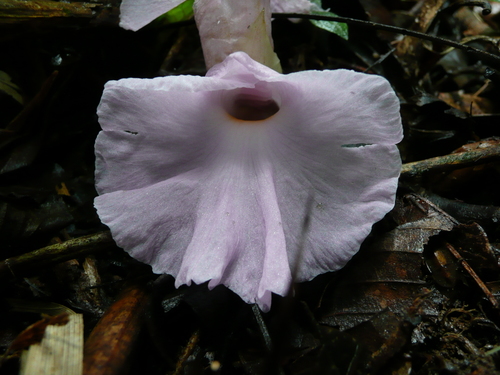
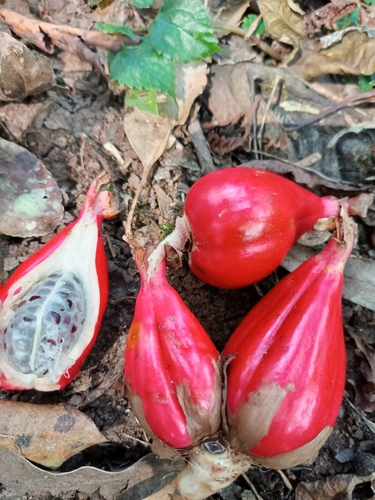
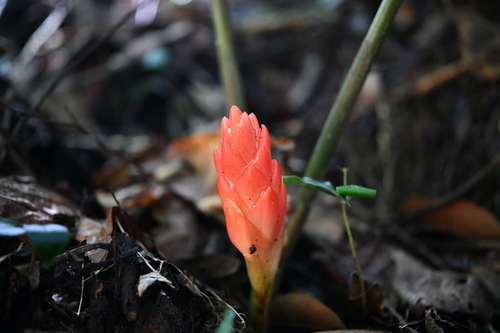
A ginger family herb. The false stems are 1-1.5 m tall. There are purple sheaths at the base. The leaves do not have leaf stalks. The leaves are narrowly sword shaped and 30-40 cm long by 5-6 cm wide. There are white hairs underneath. The flowering shoots arise from the rhizome. They are oblong and 10-13 cm long by 3-4 cm wide. The flowers are white.
Names & Synonyms
Zingiber truncatum S. Q. Tong [Illegitimate]
References (1)
- Ghorbani, A., et al, 2012, A comparison of the wild food plant use knowledge of ethnic minorities in Naban River Watershed Nature Reserve, Yunnan, SW China. Journal of Ethnobiology and Ethnomedicine; 8:17 (Also as Zingiber truncatum)