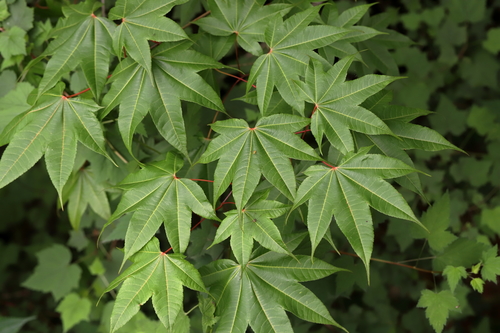
Talisia sylvatica
(Aubl.) Radlk.
SapindaceaeFruit

iNaturalist · cc-by-nc
(c) Nils Servientis - Bivouac Naturaliste, some rights reserved (CC BY-NC), uploaded by Nils Servientis - Bivouac Naturaliste
(c) Nils Servientis - Bivouac Naturaliste, some rights reserved (CC BY-NC), uploaded by Nils Servientis - Bivouac Naturaliste

iNaturalist · cc-by-nc
(c) Nils Servientis - Bivouac Naturaliste, some rights reserved (CC BY-NC)
(c) Nils Servientis - Bivouac Naturaliste, some rights reserved (CC BY-NC)
What to Eat
Edible parts: Fruit
The fruit is eaten.
Where to Find It
It is a tropical plant.
Amazon, Brazil, French Guiana, Guianas, Guyana, Peru, South America, Suriname, Venezuela,
How to Identify
A small tree. It grows 2-8 m tall. It has few branches. The trunk is 8 cm across. The bark is light brown. The leaves have leaflets arranged in spirals. The leaf stalks are 12-21 cm long. The stalk is 19-32 cm long with 5-14 leaflets. These are alternate or opposite and 8-26 cm long by 4-9 cm wide. They are hairy underneath. The fruit are green and turn yellow to orange when ripe. They are 2 cm long. There is a single seed with a fleshy cream to yellow coating.
Names & Synonyms
Azobene, Bois flambeau, Bosknippa, Gaullette indien, Paicoussa, Tepuime, Touliatan, Tepu, Virote huayo
Racaria sylvatica Aubl.Talisia carinata f. acutisepala Radlk.Talisia micrantha Radlk.
Talisia reticulata Radlk.
References (4)
- Grandtner, M. M. & Chevrette, J., Dictionary of Trees, Volume 2: South America: Nomenclature, Taxonomy and Ecology. Elsevier, p 655
- Kermath, B. M., et al, 2014, Food Plants in the Americas: A survey of the domesticated, cultivated and wild plants used for Human food in North, Central and South America and the Caribbean. On line draft. p 855
- Flora of the Guianas.
- Reis, S. V. and Lipp, F. L., 1982, New Plant Sources for Drugs and Foods from the New York Botanical Garden herbarium. Harvard. p 170 (As Talisia reticulata)