Camellia caudata
Wall.
TheaceaeFruit
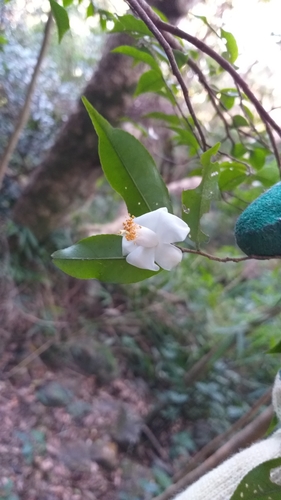
iNaturalist · cc-by-nc
(c) nigelkwokch, some rights reserved (CC BY-NC)
(c) nigelkwokch, some rights reserved (CC BY-NC)
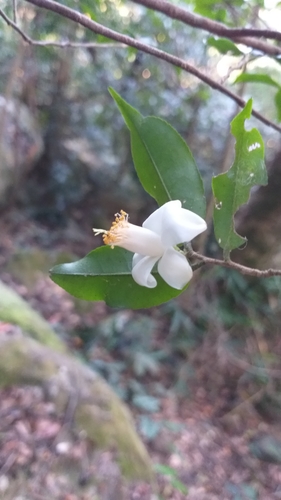
iNaturalist · cc-by-nc
(c) nigelkwokch, some rights reserved (CC BY-NC)
(c) nigelkwokch, some rights reserved (CC BY-NC)
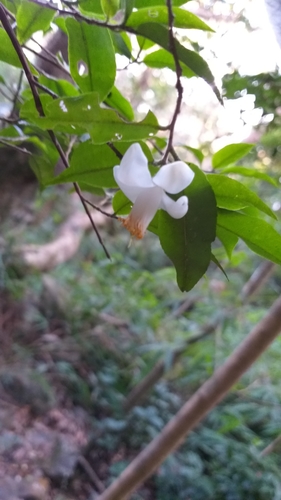
iNaturalist · cc-by-nc
(c) nigelkwokch, some rights reserved (CC BY-NC)
(c) nigelkwokch, some rights reserved (CC BY-NC)
What to Eat
Edible parts: Fruit
The fruit is eaten.
Where to Find It
It is a tropical plant. It grows in evergreen broad-leaved forests between 400-1,400 m above sea level. In Yunnan.
Asia, China, Himalayas, India, Indochina, Myanmar, Nepal, Northeastern India, SE Asia, Taiwan, Tibet, Vietnam,
Countries: United Arab Emirates, Afghanistan, Armenia, Azerbaijan, Bangladesh, Bahrain, Brunei, Bhutan, China, Georgia, Indonesia, Israel, India, Iraq, Iran, Jordan, Japan, Kyrgyzstan, Cambodia, North Korea, South Korea, Kuwait, Kazakhstan, Laos, Lebanon, Sri Lanka, Myanmar, Mongolia, Maldives, Malaysia, Nepal, Oman, Philippines, Pakistan, Qatar, Saudi Arabia, Singapore, Syria, Thailand, Tajikistan, Timor-Leste, Turkmenistan, Turkey, Taiwan, Uzbekistan, Vietnam, Yemen
How to Identify
A shrub or small tree. It grows 2-8 m tall. The leaves are narrowly oval and 4-12 cm long by 1-4 cm wide. The flowers can occur singly or in clusters of 3 in the axils of leaves. The petals are white. The fruit are round and 2 cm across. They are yellow. There is one seed.
Production
In China plants flower in October to January and fruit September to October.
Names & Synonyms
Hpalap, Laphet, Neng
Camellia axillaris Griff.Camellia gracilis Hemsl.Thea caudata (Wall.) Seem.and others
References (1)
- Reis, S. V. and Lipp, F. L., 1982, New Plant Sources for Drugs and Foods from the New York Botanical Garden herbarium. Harvard. p 185 (As Thea oleosa)


