Miconia argentea
(Sw.) DC.
White maya tree

(c) Reinaldo Aguilar, some rights reserved (CC BY-NC-SA)
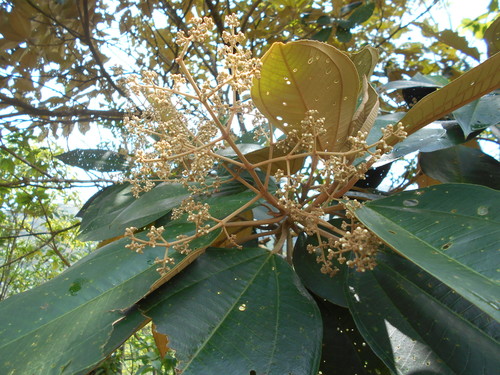
(c) ovilla82, some rights reserved (CC BY-NC), uploaded by ovilla82
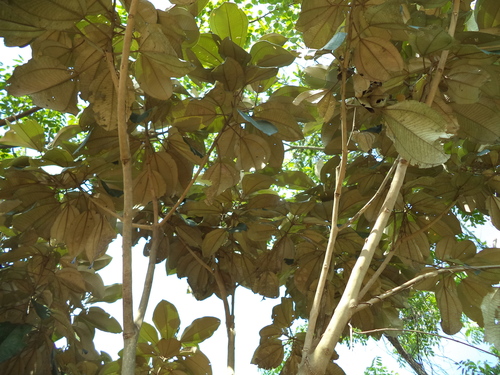
(c) ovilla82, some rights reserved (CC BY-NC), uploaded by ovilla82
What to Eat
Edible parts: Fruit
We have no specific information for this species, but the small, blue, purple or black fruits of many, if not all, species in this genus is edible. The blue, globose berries are 3 - 5mm in diameter.
Where to Find It
It is a tropical plant. It grows in savanna areas.
Belize, Caribbean, Central America, Colombia, Costa Rica, El Salvador, Honduras, Mexico, Nicaragua, Panama,
How to Identify
A tropical shrub or tree in the Melastomataceae family that can reach 15 m tall, found in savanna areas.
How to Grow
Requires a sunny position.
Other Uses
The heartwood is brown; the thick band of sapwood is light brown. The texture is fine; the grain straight. The wood is moderately hard; light to heavy in weight; not strong; durable if kept dry. It is easy to work, taking a medium polish. The wood is sturdy, and owing to the tree's abundance, rural people frequently use it for fence posts or for house construction. It is sometimes large enough to be used for railroad ties The wood is often used for fuel and is highly esteemed when made into charcoal. A natural pioneer species, growing in open places. It can be used for restoring native woodland or for establishing a woodland garden.
Names & Synonyms
Cenizo
References (3)
- Hellmuth, N. M., 2013, Maya Ethnobotany. FLAAR Reports. p 21
- Roa, J. A. G. & Boada, D. S. G., 2018, Fundación para el Fortalecimiento de la Fruticultura y Plantas Alimenticias no Convencionales en Colombia.
- Segura, S., et al, 2018, The edible fruit species in Mexico. Genet Resour Crop Evol (2018) 65:1767–1793


