Passiflora bahamensis
Britton

iNaturalist · cc-by-nc
(c) Brett M, some rights reserved (CC BY-NC), uploaded by Brett M
(c) Brett M, some rights reserved (CC BY-NC), uploaded by Brett M
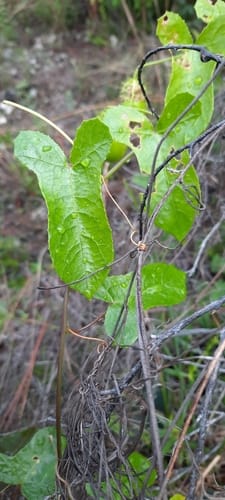
iNaturalist · cc-by-nc
(c) odonaut, some rights reserved (CC BY-NC)
(c) odonaut, some rights reserved (CC BY-NC)
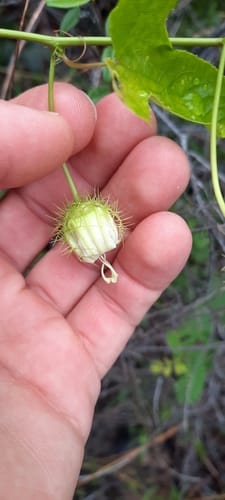
iNaturalist · cc-by-nc
(c) odonaut, some rights reserved (CC BY-NC)
(c) odonaut, some rights reserved (CC BY-NC)
What to Eat
Edible parts: Fruit
Passiflora incarnata (maypop) leaves and roots have a long history of use as a traditional medicine by Native Americans in North America and were adapted by European colonists. The fresh or dried leaves of maypop are used to make a tea that is used as a sedative. Passionflower as dried powder or an extract is used as a dietary supplement. There is insufficient clinical evidence for using passionflower to treat any medical condition. Passionflower is classified as generally recognized as safe for use as a food ingredient in the U.S.
Known Hazards
Where to Find It
It is a tropical plant.
Bahamas,
How to Identify
A tropical vine in the Passifloraceae family with edible fruit.
References (1)
- Gape, L. & Sweeting, M., 2003, Bahamas Pine forest Resource Book. Bahamas National Trust p 28


