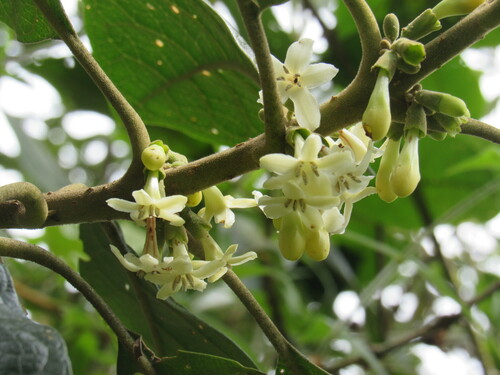
Glechoma longituba
(Nakai) Kuprianova
LamiaceaeLeaves

iNaturalist · cc-by-nc
(c) Chuangzao, some rights reserved (CC BY-NC), uploaded by Chuangzao
(c) Chuangzao, some rights reserved (CC BY-NC), uploaded by Chuangzao

iNaturalist · cc-by-nc
(c) V.S. Volkotrub, some rights reserved (CC BY-NC), uploaded by V.S. Volkotrub
(c) V.S. Volkotrub, some rights reserved (CC BY-NC), uploaded by V.S. Volkotrub
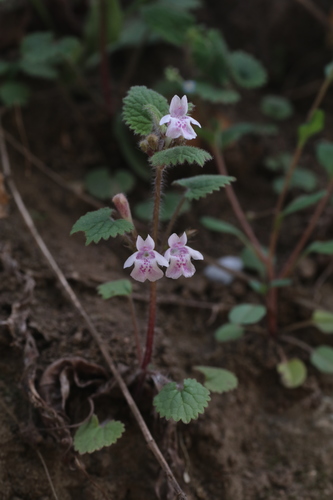
iNaturalist · cc-by-nc
(c) sunwenhao90, some rights reserved (CC BY-NC), uploaded by sunwenhao90
(c) sunwenhao90, some rights reserved (CC BY-NC), uploaded by sunwenhao90
What to Eat
Edible parts: Leaves
The leaves are eaten.
Where to Find It
It is a temperate plant. It grows in grassland and on the edges of forests between 100-2,000 m above sea level. In Sichuan.
Asia, China, Korea, Russia, Tibet,
Countries: United Arab Emirates, Afghanistan, Armenia, Azerbaijan, Bangladesh, Bahrain, Brunei, Bhutan, China, Georgia, Indonesia, Israel, India, Iraq, Iran, Jordan, Japan, Kyrgyzstan, Cambodia, North Korea, South Korea, Kuwait, Kazakhstan, Laos, Lebanon, Sri Lanka, Myanmar, Mongolia, Maldives, Malaysia, Nepal, Oman, Philippines, Pakistan, Qatar, Russia, Saudi Arabia, Singapore, Syria, Thailand, Tajikistan, Timor-Leste, Turkmenistan, Turkey, Taiwan, Uzbekistan, Vietnam, Yemen
How to Identify
A herb. The stems are 10-20 cm long. They are purplish-red at the base. The leaves are 2-3 cm long by 2-3 cm wide.
Names & Synonyms
Glechoma brevituba Kuprian.
Glechoma grandis var. longituba (Nakai) Kitag.Glechoma hederacea var. longituba NakaiNepeta glechoma var. sinensis Miq.
References (1)
- Wang, J. et al, 2013, A Study on the Utilization of Wild Plants for Food in Liangshan Yi Autonomous Prefecture. Plant Diversity and Resources. 35(4): 416-471