Bromus erectus
Huds.
Upright brome
(c) anneblohm, some rights reserved (CC BY-NC), uploaded by anneblohm

(c) Christian Gilli, some rights reserved (CC BY-NC), uploaded by Christian Gilli
(c) Sepp Schmid, some rights reserved (CC BY-NC), uploaded by Sepp Schmid
What to Eat
Edible parts: Seeds, Cereal
The seeds are cooked slowly and used in soups and salads.
Where to Find It
It is a temperate plant. It grows on dry infertile soil. It grows on calcareous soils on sand dunes.
Argentina, Britain*, Chile, Europe, Ireland, Luxembourg, South America,
How to Identify
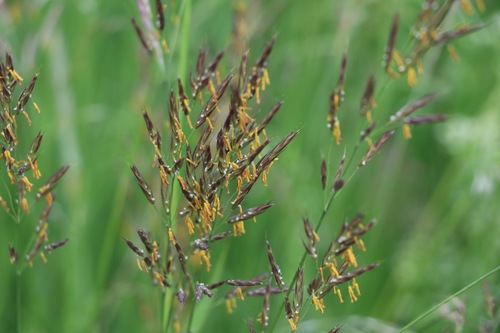
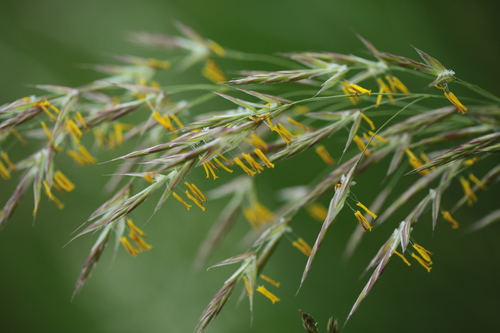
A grass. It keeps growing from year to year. It grows 1 m tall. The lower leaves are flat but the edges roll inwards. They are 6 mm wide. The flower panicles are 15 cm tall.
Wikipedia
Source ↗Bromus erectus, commonly known as erect brome, upright brome or meadow brome, is a dense, course, tufted perennial grass. It can grow to 120 centimetres (47 in). Like many brome grasses the plant is hairy. The specific epithet erectus is Latin, meaning "erect". The diploid number of the grass is 56.
References (1)
- Irving, M., 2009, The Forager Handbook, A Guide to the Edible Plants of Britain. Ebury Press p 326 (As Bromopsis erecta)


