Buddleja cordata
Kunth
Butterfly bush

iNaturalist · cc-by-nc-sa
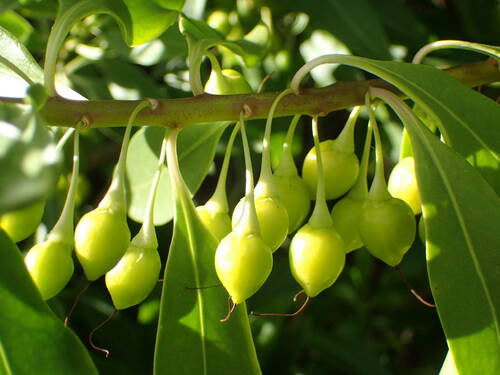
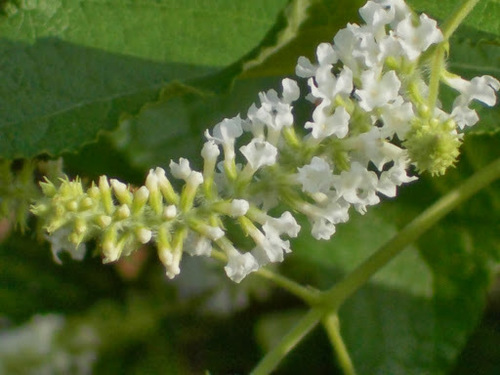
(c) Tony Rodd, some rights reserved (CC BY-NC-SA)
(c) Tony Rodd, some rights reserved (CC BY-NC-SA)
iNaturalist · cc-by-nc
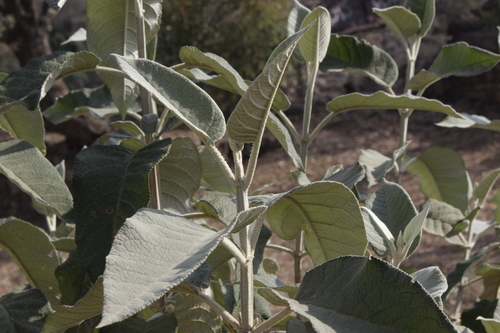
(c) SANTIAGO TEPALCATLALPAN, some rights reserved (CC BY-NC), uploaded by SANTIAGO TEPALCATLALPAN
(c) SANTIAGO TEPALCATLALPAN, some rights reserved (CC BY-NC), uploaded by SANTIAGO TEPALCATLALPAN
iNaturalist · cc-by-nc
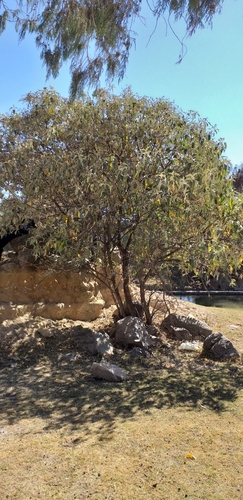
(c) promotores_ambientales_puebla, some rights reserved (CC BY-NC), uploaded by promotores_ambientales_puebla
(c) promotores_ambientales_puebla, some rights reserved (CC BY-NC), uploaded by promotores_ambientales_puebla
What to Eat
Edible parts: Leaves - spice
The leaves are used as a spice.
Where to Find It
It is a tropical plant. Arboretum Tasmania.
Australia, Central America, Mexico, Panama, Tasmania,
Countries: Australia, Belize, Costa Rica, Guatemala, Honduras, Mexico, Nicaragua, Panama, El Salvador
How to Identify
Buddleja cordata is a tropical tree in the Scrophulariaceae family, found in distribution records from Tasmania's Arboretum.
Wikipedia
Source ↗Buddleja cordata is endemic to Mexico, growing along forest edges and water courses at elevations of 1500–3000 m; it has also naturalized in parts of Ethiopia. The species was first described and named by Kunth in 1818.
Names & Synonyms
Axocopa, Batowi, Cayolozan, Mahto, Matowi, Tepoza, Verbasco, Zompan
Buddleja decurrens Schltdl. & Cham.Buddleja floccosa KunthBuddleja macrophylla Kunthand others
References (1)
- Kermath, B. M., et al, 2014, Food Plants in the Americas: A survey of the domesticated, cultivated and wild plants used for Human food in North, Central and South America and the Caribbean. On line draft. p 150