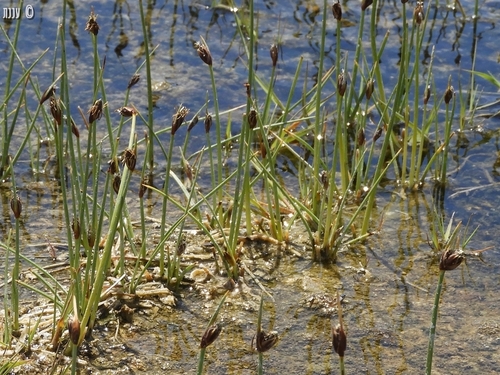
Cyperus squarrosus
L.
Awned cyperus, Bearded flatsedge

no rights reserved, uploaded by Allan Harris
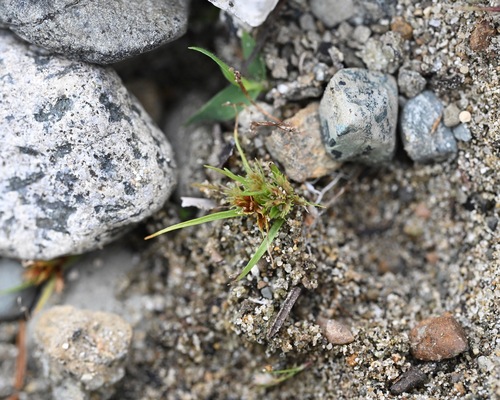
(c) Brian Starzomski, some rights reserved (CC BY-NC)
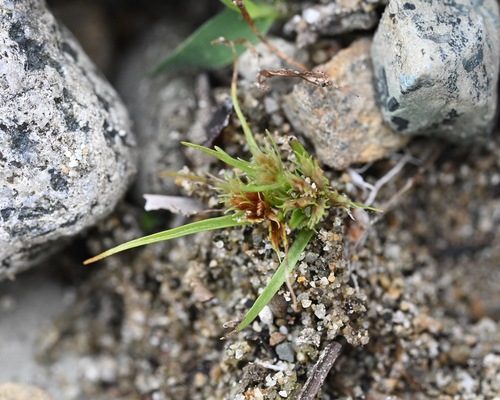
(c) Brian Starzomski, some rights reserved (CC BY-NC)
What to Eat
Edible parts: Tubers, Roots
Tuber - raw or cooked. A starchy flavour. Small We have no specific information for this species, but it is said that the inner base of the young stems of all species in this genus can be eaten raw, and make an excellent survival food in times of need.
Where to Find It
It is a warm temperate to tropical plant. It grows in seasonally dry areas. In Argentina it grows from sea level to 2,500m above sea level.
Africa, Argentina, Australia, Botswana, Brazil, Chile, Mexico, Paraguay, South America, Uruguay, Afghanistan, Africa, Andaman Is., Angola, Argentina, Aruba, Assam, Bahamas, Bangladesh, Benin, Bolivia, Botswana, Brazil, Burkina, Burundi, Central African Republic, CAR, Chad, Chile, China, Colombia, Congo DR, Cuba, Himalayas, Ecuador, Eritrea, Ethiopia, Gabon, Gambia, Ghana, Guinea, Guinea-Bissau, Haiti, India, Ivory Coast, Kenya, Leeward Is., Lesser Sunda Is., Madagascar, Malawi, Mali, Mauritania, Mexico, Mozambique, Myanmar, Namibia, Nepal, Netherlands Antilles, Niger, Nigeria, Oman, Pakistan, Paraguay, Peru, Puerto Rico, Rwanda, Saudi Arabia, Senegal, Socotra, Somalia, Sri Lanka, Sudan, Swaziland, Tanzania, Thailand, Tibet, Togo, Turks-Caicos Is., Uganda, Uruguay, Venezuela, Vietnam, Yemen, Zambia, Zimbabwe,
How to Identify
An annual sedge found in warm temperate to tropical regions, growing in seasonally dry areas from sea level to 2,500 m elevation in places like Argentina.
How to Grow
Prefers a moist sandy loam. The dried plant is fragrant. The plant has a strong aroma of Aloe tincture.
Other Uses
The leaves are used for weaving hats, matting etc.
Wikipedia
Source ↗Cyperus squarrosus is a species of sedge known by several common names, including bearded flatsedge and awned flatsedge. It is found in wet environments in North and South America, Africa, Australia, southern Asia (China, India, Saudi Arabia, Indochina, etc.) and Italy.
Names & Synonyms
Barba-de-bonde
References (2)
- Kermath, B. M., et al, 2014, Food Plants in the Americas: A survey of the domesticated, cultivated and wild plants used for Human food in North, Central and South America and the Caribbean. On line draft. p 294
- Kew Plants of the World On line
More from Cyperaceae