Lobelia berlandieri
A.DC.
Berlandieri's lobelia
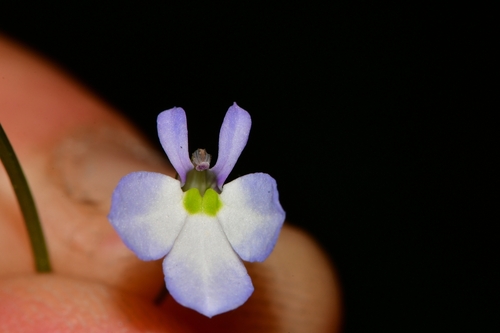
iNaturalist · cc-by-nc
(c) Joey Santore, some rights reserved (CC BY-NC)
(c) Joey Santore, some rights reserved (CC BY-NC)
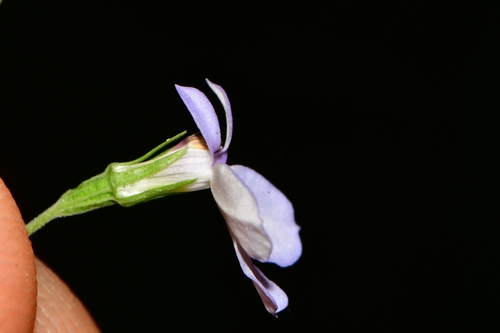
iNaturalist · cc-by-nc
(c) Joey Santore, some rights reserved (CC BY-NC)
(c) Joey Santore, some rights reserved (CC BY-NC)
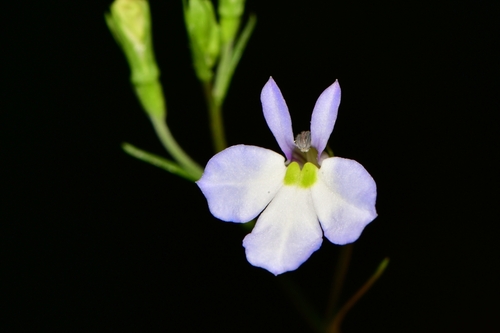
iNaturalist · cc-by-nc
(c) Joey Santore, some rights reserved (CC BY-NC)
(c) Joey Santore, some rights reserved (CC BY-NC)
What to Eat
Edible parts: Leaves, Caution, Poisonous
The leaves are cooked and eaten.
Known Hazards
Where to Find It
It is a subtropical plant.
Mexico, North America, USA,
Countries: Antigua & Barbuda, Barbados, Bahamas, Belize, Canada, Costa Rica, Cuba, Dominica, Dominican Republic, Grenada, Guatemala, Honduras, Haiti, Jamaica, St Kitts & Nevis, St Lucia, Mexico, Nicaragua, Panama, Puerto Rico, El Salvador, Trinidad & Tobago, United States, St Vincent
How to Identify
An annual herb. It grows 25-50 cm tall. Most leaves are from the base of the stem. The leaves are oval and 5 cm long. The leaves of the stems are smaller.
Notes
Also put in the family Lobeliaceae. It contains alkaloids.
Names & Synonyms
Dortmanna berlandieri (A. DC.) KuntzeLobelia calcarea E. Wimm.
References (2)
- Kermath, B. M., et al, 2014, Food Plants in the Americas: A survey of the domesticated, cultivated and wild plants used for Human food in North, Central and South America and the Caribbean. On line draft. p 494
- Pena, F. B., et al, 1998, Los quelites de la Sierra Norte de Puebla, Mexico: Inventory Y Formas de Preparacion. Bol. Soc. Bot. Mexico 62:49-62


