Lysimachia maritima
(L.) Galasso, Banfi & Soldano
Sea milkwort
PrimulaceaeShoots

iNaturalist · cc-by-nc
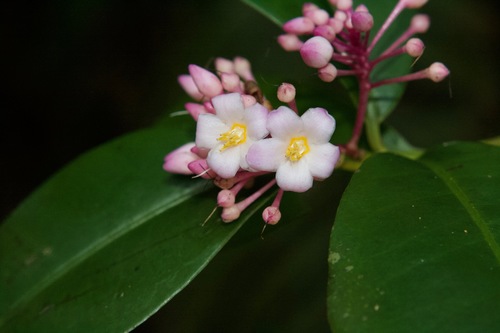
(c) Samuel Brinker, some rights reserved (CC BY-NC), uploaded by Samuel Brinker
(c) Samuel Brinker, some rights reserved (CC BY-NC), uploaded by Samuel Brinker
iNaturalist · cc-by-nc
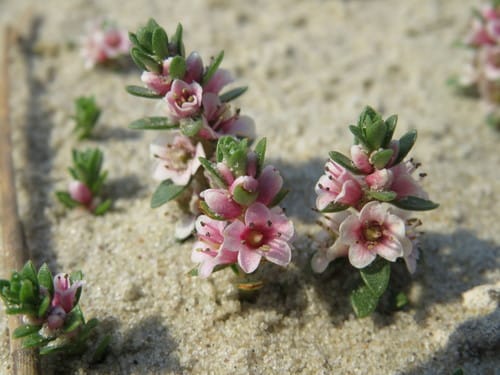
(c) Bernd Bäumler, some rights reserved (CC BY-NC)
(c) Bernd Bäumler, some rights reserved (CC BY-NC)

iNaturalist · cc-by-nc
(c) l4voie, some rights reserved (CC BY-NC)
(c) l4voie, some rights reserved (CC BY-NC)
What to Eat
Edible parts: Shoots
Young shoots are eaten in salads.
Where to Find It
It is a temperate plant.
Asia, Central Asia, Eurasia, Korea, Mongolia, North America, Tajikistan, USA,
Countries: United Arab Emirates, Afghanistan, Antigua & Barbuda, Armenia, Azerbaijan, Barbados, Bangladesh, Bahrain, Brunei, Bahamas, Bhutan, Belize, Canada, China, Costa Rica, Cuba, Dominica, Dominican Republic, Grenada, Georgia, Guatemala, Honduras, Haiti, Indonesia, Israel, India, Iraq, Iran, Jamaica, Jordan, Japan, Kyrgyzstan, Cambodia, St Kitts & Nevis, North Korea, South Korea, Kuwait, Kazakhstan, Laos, Lebanon, St Lucia, Sri Lanka, Myanmar, Mongolia, Maldives, Mexico, Malaysia, Nicaragua, Nepal, Oman, Panama, Philippines, Pakistan, Puerto Rico, Qatar, Saudi Arabia, Singapore, El Salvador, Syria, Thailand, Tajikistan, Timor-Leste, Turkmenistan, Turkey, Trinidad & Tobago, Taiwan, United States, Uzbekistan, St Vincent, Vietnam, Yemen
How to Identify
A temperate herb in the Primulaceae family with edible young shoots.
Wikipedia
Source ↗Lysimachia maritima is a plant species belonging to the family Primulaceae. It was previously called Glaux maritima, the only species in the monotypic genus Glaux. The species has a number of common names, including sea milkwort, sea milkweed, and black saltwort.
Names & Synonyms
Glaucoides maritima (L.) LunellGlaux acutifolia A. HellerGlaux generalis E. H. L. KrauseGlaux maritima L.
Glaux spicata Phil. ex R. Knuthand others
References (2)
- Kermath, B. M., et al, 2014, Food Plants in the Americas: A survey of the domesticated, cultivated and wild plants used for Human food in North, Central and South America and the Caribbean. On line draft. p 504
- Urgamal, M., Oyuntsetseg, B., Nyambayar, D. & Dulamsuren, Ch. 2014. Conspectus of the vascular plants of Mongolia. (Editors: Sanchir, Ch. & Jamsran, Ts.). Ulaanbaatar, Mongolia. “Admon“ Press. 334pp. (p. 79-90).