Schlegelia violacea
(Aubl.) Griseb.
SchlegeliaceaeFruit
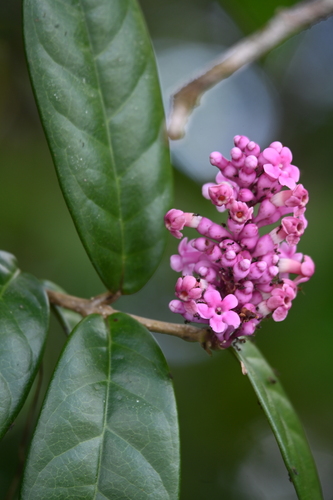
iNaturalist · cc-by-nc
(c) Robin Heymans, some rights reserved (CC BY-NC), uploaded by Robin Heymans
(c) Robin Heymans, some rights reserved (CC BY-NC), uploaded by Robin Heymans
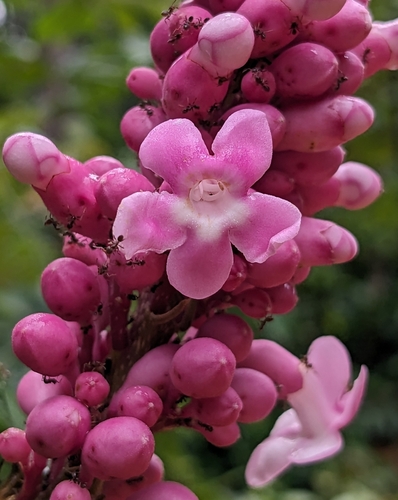
iNaturalist · cc-by-nc
(c) accidentalshrike, some rights reserved (CC BY-NC), uploaded by accidentalshrike
(c) accidentalshrike, some rights reserved (CC BY-NC), uploaded by accidentalshrike
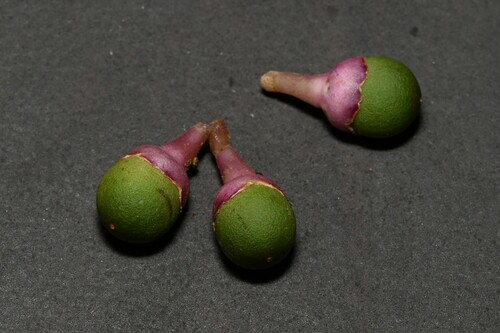
iNaturalist · cc-by-nc
(c) Robin Heymans, some rights reserved (CC BY-NC), uploaded by Robin Heymans
(c) Robin Heymans, some rights reserved (CC BY-NC), uploaded by Robin Heymans
What to Eat
Edible parts: Fruit
The fruit is eaten.
Where to Find It
It is a tropical plant.
Amazon, Brazil, French Guiana, Guianas, Guyana, South America, Suriname, Venezuela, West Indies,
Countries: Antigua & Barbuda, Argentina, Barbados, Bolivia, Brazil, Bahamas, Chile, Colombia, Cuba, Dominica, Dominican Republic, Ecuador, Grenada, French Guiana, Guyana, Haiti, Jamaica, St Kitts & Nevis, St Lucia, Peru, Puerto Rico, Paraguay, Suriname, Trinidad & Tobago, Uruguay, St Vincent, Venezuela
How to Identify
A tropical climbing plant in the Schlegeliaceae family with edible fruit.
Medicinal Uses
The clear, watery sap from the cut stem is used to treat sore eyes and burns. The bark is used to treat fevers and headaches. The leaves are sudorific.
Notes
Previously in the family Gesneriaceae and Bignoniaceae.
Names & Synonyms
Besleria caerulea Aubl.Besleria violacea Aubl.Schlegelia lilacina Miq.
References (1)
- Kermath, B. M., et al, 2014, Food Plants in the Americas: A survey of the domesticated, cultivated and wild plants used for Human food in North, Central and South America and the Caribbean. On line draft. p 790

