Lasianthus jackianus
Wight
RubiaceaeFruit
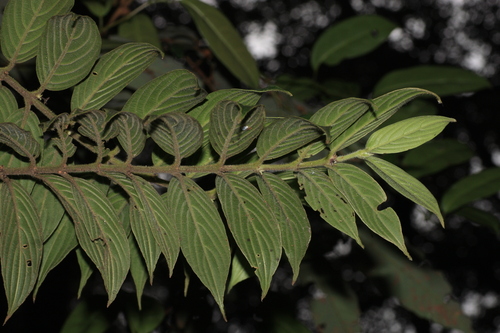
iNaturalist · cc-by
(c) madhavan a.p, some rights reserved (CC BY), uploaded by madhavan a.p
(c) madhavan a.p, some rights reserved (CC BY), uploaded by madhavan a.p
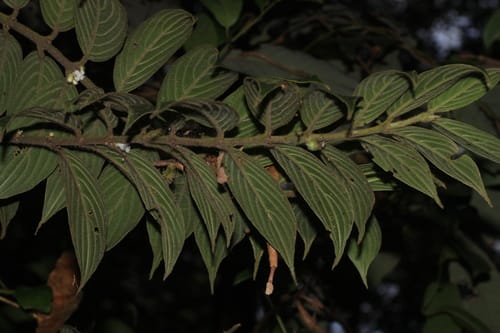
iNaturalist · cc-by
(c) madhavan a.p, some rights reserved (CC BY)
(c) madhavan a.p, some rights reserved (CC BY)
What to Eat
Edible parts: Fruit
The fruit are mostly eaten raw.
Where to Find It
It is a tropical plant. It grows as an understorey plant in evergreen forests. It grows between 700-1,600 m above sea level.
Asia, India,
Countries: United Arab Emirates, Afghanistan, Armenia, Azerbaijan, Bangladesh, Bahrain, Brunei, Bhutan, China, Georgia, Indonesia, Israel, India, Iraq, Iran, Jordan, Japan, Kyrgyzstan, Cambodia, North Korea, South Korea, Kuwait, Kazakhstan, Laos, Lebanon, Sri Lanka, Myanmar, Mongolia, Maldives, Malaysia, Nepal, Oman, Philippines, Pakistan, Qatar, Saudi Arabia, Singapore, Syria, Thailand, Tajikistan, Timor-Leste, Turkmenistan, Turkey, Taiwan, Uzbekistan, Vietnam, Yemen
How to Identify
A large shrub or small tree. It grows 5 m tall. The bark is brown and smooth. The branches are horizontal. The leaves are simple and opposite. They overlap at the base. The leaves are oblong. The leaf blade is 6-17 cm long by 2-4 cm wide. The flowers are in groups in the axils of leaves. They do not have stalks and are white. The fruit is round and fleshy. It has 4 seeds.
Names & Synonyms
Kattukarivepilai
References (1)
- Sivakumar, A. & Murugesan, M., 2005, Ethnobotanical Studies of the wild edible plants used by the tribals of the Anaimalai Hills, the Western Ghats. Ancient Science of Life. XXV(2) Oct-Dec.


