Cecropia hololeuca
Miq/
White pumpwood
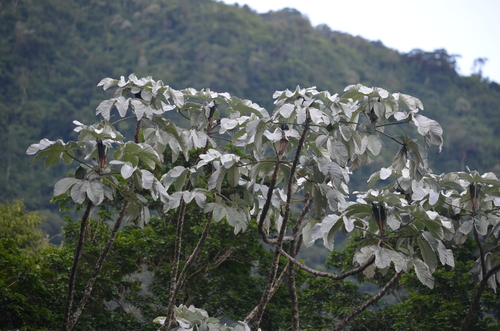
(c) B. Phalan, some rights reserved (CC BY), uploaded by B. Phalan
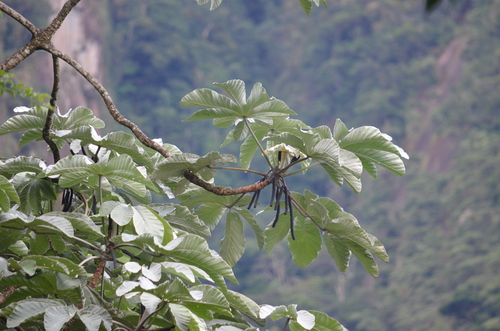
(c) B. Phalan, some rights reserved (CC BY), uploaded by B. Phalan

(c) João Medeiros, some rights reserved (CC BY)
What to Eat
Edible parts: Fruit
Although we have seen no specific mention for this species, the fruits of many members of this genus are edible with a sweetish flesh. The finger-shaped, aggregate fruit can be 150mm or more long and 18mm wide.
Known Hazards
Where to Find It
It is a tropical plant.
Brazil, South America,
How to Identify
A tropical tree growing 8-25 m tall, native to the Americas and belonging to the Urticaceae family.
How to Grow
Plants in this genus generally prefer a sunny position in a well-drained soil. A fast-growing, but short-lived tree. Newly planted young trees can be 3 metres or more tall after 2 years. A dioecious species, both male and female forms need to be grown if fruit and seed are required.
Propagation: Seed - requires light to germinate. It can be sown in light shade in a nursery seedbed, but should not be covered, just lightly pressed into the soil. Germination rates are usually low, with the seed sprouting in 20 - 30 days. Transplant the seedlings to individual containers when they are 4 - 5cm tall and plant out 4 - 5 months later. Greenwood cuttings in a frame with bottom heat.
Medicinal Uses
The leaves are astringent, strongly diuretic, emmenagogue and tonic. They are used in the treatment of leucorrhoea, amenorrhoea, dysmenorrhoea, dysentery, acute respiratory ailments, asthma and whooping cough[. The leaves are said to possess digitalis-like properties. This probably refers to digitalin, found in various Digitalis species, and having cardiac properties.
Other Uses
The wood is light in weight, soft, of low durability and easy to cut. It is only used for low quality items such as matchsticks, boxes, pencils, toys, wooden clogs etc. Being light in weight, it can be used like balsa to make aeroplane models etc. With their sparse canopy and attractive foliage that is green above and silver-felted below, members of this genus generally provide a dramatic canopy but only cast a very light shade, allowing other plants to be grown right up to the base of their trunk. Many members of the genus can be used as pioneer species when developing a new woodland.
Names & Synonyms
Ambaitinga, Embaiba, Embauba-acu, Enbauba-branca, Umbauba-branca
References (2)
- Grandtner, M. M. & Chevrette, J., 2013, Dictionary of Trees, Volume 2: South America: Nomenclature, Taxonomy and Ecology. Academic Press p 112
- www.colecionandofrutas.org


