Ocotea lancifolia
(Schott) Mez
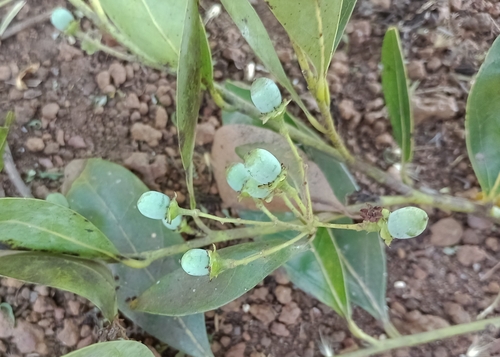
iNaturalist · cc-by-nc
(c) Richard Matheus Fernandes, some rights reserved (CC BY-NC)
(c) Richard Matheus Fernandes, some rights reserved (CC BY-NC)
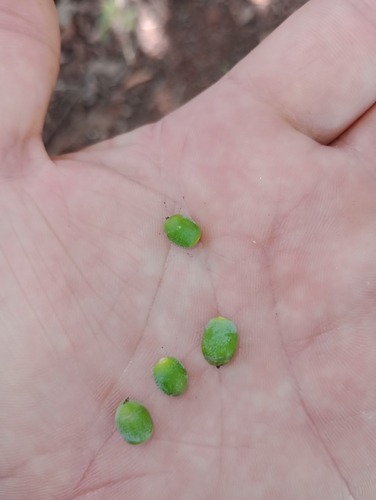
iNaturalist · cc-by-nc
(c) Richard Matheus Fernandes, some rights reserved (CC BY-NC)
(c) Richard Matheus Fernandes, some rights reserved (CC BY-NC)
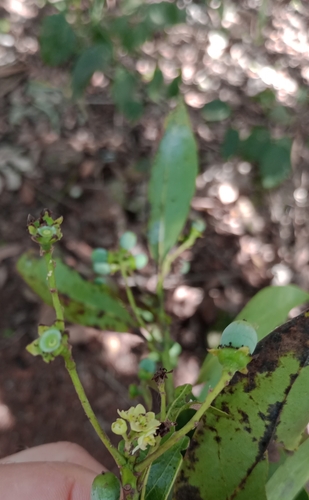
iNaturalist · cc-by-nc
(c) Richard Matheus Fernandes, some rights reserved (CC BY-NC)
(c) Richard Matheus Fernandes, some rights reserved (CC BY-NC)
What to Eat
Edible parts: Fruit, Spice ?
The fruit is eaten and may be used as a spice.
Where to Find It
It is a subtropical plant.
Asia, Cambodia, Himalayas, India, Indochina, Northeastern India, SE Asia,
Countries: United Arab Emirates, Afghanistan, Armenia, Azerbaijan, Bangladesh, Bahrain, Brunei, Bhutan, China, Georgia, Indonesia, Israel, India, Iraq, Iran, Jordan, Japan, Kyrgyzstan, Cambodia, North Korea, South Korea, Kuwait, Kazakhstan, Laos, Lebanon, Sri Lanka, Myanmar, Mongolia, Maldives, Malaysia, Nepal, Oman, Philippines, Pakistan, Qatar, Saudi Arabia, Singapore, Syria, Thailand, Tajikistan, Timor-Leste, Turkmenistan, Turkey, Taiwan, Uzbekistan, Vietnam, Yemen
How to Identify
A subtropical tree in the Lauraceae family (laurel family).
Names & Synonyms
Krolor, Sichir schein
Laurus lanceolaria Roxb.Ocotea lanceolata (Nees) Nees [Illegitimate]and many others
References (2)
- Murtem, G. & Chaudhrey, P., 2016, An ethnobotanical note on wild edible plants of Upper Eastern Himalaya, India. Brazilian Journal of Biological Sciences, 2016, v. 3, no. 5, p. 63-81 (As Phoebe lanceolata)
- Turreira Garcia, N., et al, 2017, Ethnobotanical knowledgeof the Kuy and Khmer people in Prey Lang, Cambodia. Cambodian Journal of Natural History 2017 (1): 76-101


