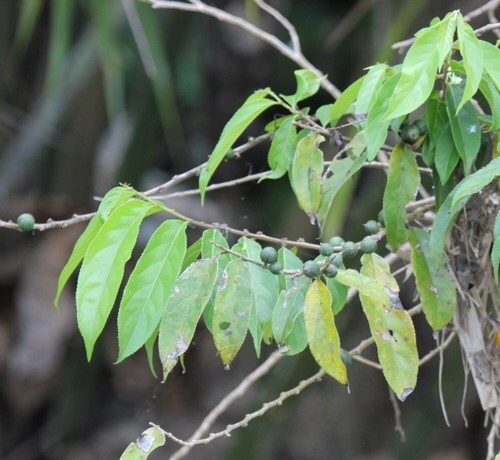
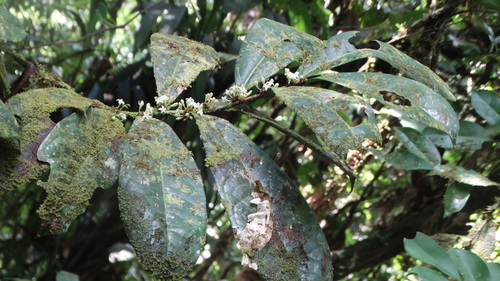
Salix sinica
(K. S. Hao ex C. F. Fang & A. K. Skvortsov) G. H. Zhu
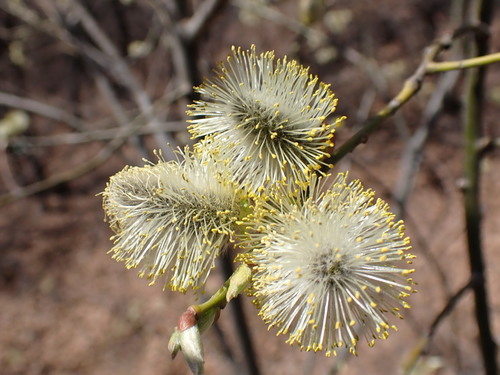
iNaturalist · cc-by-nc
(c) 茶棚, some rights reserved (CC BY-NC), uploaded by 茶棚
(c) 茶棚, some rights reserved (CC BY-NC), uploaded by 茶棚

iNaturalist · cc-by-nc-sa
(c) Shuangqi Liu, some rights reserved (CC BY-NC-SA)
(c) Shuangqi Liu, some rights reserved (CC BY-NC-SA)
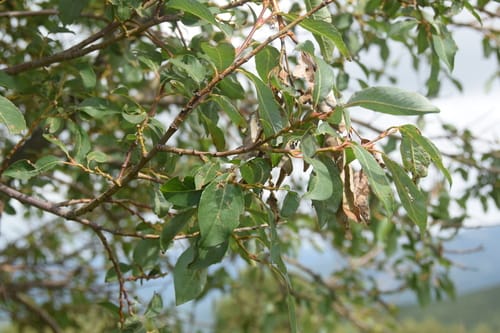
iNaturalist · cc-by-nc
(c) 红梅, some rights reserved (CC BY-NC)
(c) 红梅, some rights reserved (CC BY-NC)
What to Eat
Edible parts: Catkins
The catkins are chewed fresh for their natural sweetness.
Where to Find It
It is a temperate plant.
Asia, India, Northeastern India,
Countries: United Arab Emirates, Afghanistan, Armenia, Azerbaijan, Bangladesh, Bahrain, Brunei, Bhutan, China, Georgia, Indonesia, Israel, India, Iraq, Iran, Jordan, Japan, Kyrgyzstan, Cambodia, North Korea, South Korea, Kuwait, Kazakhstan, Laos, Lebanon, Sri Lanka, Myanmar, Mongolia, Maldives, Malaysia, Nepal, Oman, Philippines, Pakistan, Qatar, Saudi Arabia, Singapore, Syria, Thailand, Tajikistan, Timor-Leste, Turkmenistan, Turkey, Taiwan, Uzbekistan, Vietnam, Yemen
How to Identify
A temperate tree in the willow family with catkins that are traditionally chewed for their sweet taste.
Names & Synonyms
Shubdu
Salix caprea var. sinica K. S. Hao ex C. F. Fang & A. K. Skvortsov
References (1)
- Tsering, J., et al, 2017, Ethnobotanical appraisal on wild edible plants used by the Monpa community of Arunchal Pradesh. Indian Journal of Traditional Knowledge. Vol 16(4), October 2017, pp 626-637