Philesia magellanica
J. F. Gmel.
Chilean bellflower
PhilesiaceaeFruit

iNaturalist · cc-by-nc-nd
(c) danielaperezorellana, some rights reserved (CC BY-NC-ND)
(c) danielaperezorellana, some rights reserved (CC BY-NC-ND)
iNaturalist · cc-by-nc
(c) Nicole Arcaya, some rights reserved (CC BY-NC)
(c) Nicole Arcaya, some rights reserved (CC BY-NC)
What to Eat
Edible parts: Fruit
The fruit are eaten raw.
Where to Find It
It is a temperate plant. It grows in humid forests between 700-900 m above sea level in southern Chile.
Argentina, Australia, Chile, South America, Tasmania,
How to Identify
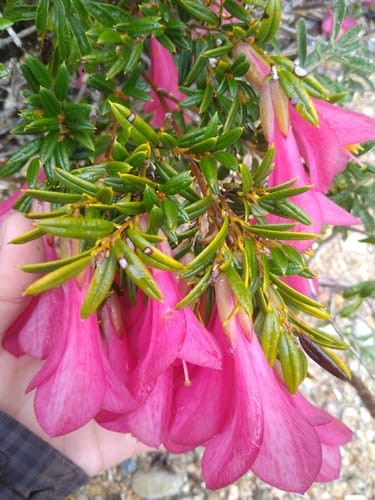
A shrub. It grows 1 m tall. The flowers are red and bell-shaped. They are 5 cm long.
Production
It is slow growing.
Names & Synonyms
Chilote, Coicopihue, Coicopiu, Copihue, Copihuelo
Philesia buxifolia Lam.
References (4)
- Chamorro, M. F., & Ladio, A., 2020, Native and exotic plants with edible fleshy fruits utilized in Patagonia and their role as sources of local functional foods. BMC Complementary Medicine and Therapies. 20:155
- Leon-Lobos, P., et al, 2022, Patterns of Traditional and Modern Uses of Wild Edible Native Plants of Chile: Challenges and Future Perspectives. Plants (Basel) v 11 (6) Table S1
- Rapoport, E. H. & Ladio, A. H., 1999, Plantas comestibles. Bosque Volume 20 No. 2. ISSN 0314-8799
- Velasquez, P. & Montenegro, G., 2017, Chilean Endemic/Native Plant Resources as Functional and Superfoods. Chp. 6 in Superfood and Functional Food - An Overview of Their Processing and Utilization
