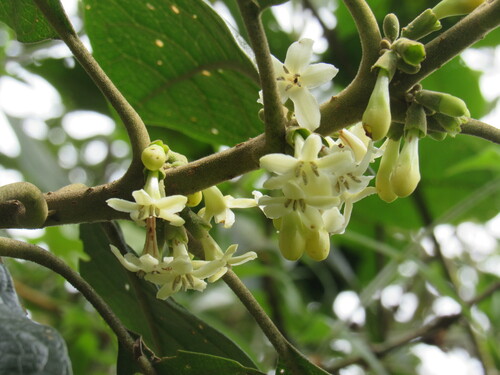
Clinopodium acinos
(L.) Kuntze

(c) Sergey Mayorov, some rights reserved (CC BY-NC), uploaded by Sergey Mayorov

(c) Nate Martineau, some rights reserved (CC BY-NC), uploaded by Nate Martineau

(c) Alexey P. Seregin, some rights reserved (CC BY-NC), uploaded by Alexey P. Seregin
What to Eat
Edible parts: Leaves, Leaves - spice
The leaves are eaten in salads and used as a spice.
Where to Find It
It is a temperate plant.
Europe, Switzerland, Turkey, Türkiye,
How to Identify
A herb in the mint family (Lamiaceae) found in temperate regions. The leaves are used fresh in salads and as a culinary spice.
Wikipedia
Source ↗Clinopodium acinos, many synonyms including Acinos arvensis, known commonly as basil thyme and spring savory, is a species of flowering plant in the family Lamiaceae. It is a perennial that usually grows about 8 inches (20 cm) high and spreads 12 inches (30 cm). It prefers to grow in strong sunlight. The scent is faintly reminiscent of thyme, giving it one of its common names. Clinopodium acinos is recorded as a food plant for the larva of the moth Coleophora tricolor.
Names & Synonyms
Guve otu, Kayrakcayi
References (3)
- Abbet, C., et al, 2014, Ethnobotanical survey on wild alpine food plants in Lower and Central Valais (Switzerland). Journal of Ethnopharmacology 151 (2014) 624–634 (As Satureja acinos)
- Ertug, F, Yenen Bitkiler. Resimli Türkiye Florası -I- Flora of Turkey - Ethnobotany supplement
- Kayabasi, N. P., et al, 2018, Wild edible plants and their traditional use in the human nutrition in Manyas (Turkey). Indian Journal of Traditional Knowledge. Vol. 17(2), April 2018, pp 299-306