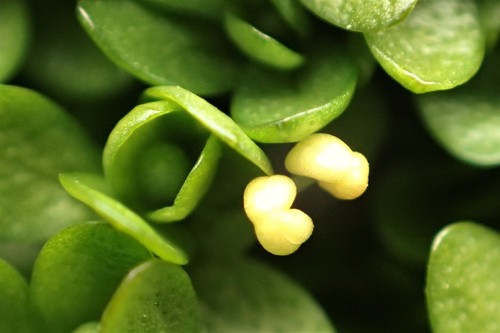
Veronica persica
Poir.
Persian speedwell

(c) liriodendron_tulipifera, some rights reserved (CC BY-NC), uploaded by liriodendron_tulipifera

(c) Douglas Goldman, some rights reserved (CC BY-SA)

(c) Douglas Goldman, some rights reserved (CC BY-SA)
What to Eat
Edible parts: Leaves
The leaves are eaten cooked and used in soups.
Where to Find It
It is a temperate plant.
Afganistan, Alaska,, Algeria, Argentina, Asia, Australia, Austria, Belarus, Belgium, Bolivia, Brazil, Britain, Bulgaria, Canada, Canary Is., Caucasus, Central America, Central Asia, Chile, China, Colombia, Costa Rica, Crete, Cyprus, Czech Republic, Denmark, East Timor, Ecuador, Egypt, Eritrea, Ethiopia, Finland, France, Germany, Greece, Himalayas, Hungary, Iceland, India, Iran*, Iraq, Ireland, Italy, Jamaica, Japan, Kazakhstan, Korea, Kyrgyzstan, Lebanon, Lesotho, Libya, Luxembourg, Mauritius, Mexico, Morocco, Nepal, Netherlands, Norfolk Is., North America, Norway, Pakistan, Palestine, Panama, Papua New Guinea, PNG, Peru, Poland, Portugal, Romania, Russia, SE Asia, Sicily, South Africa, Spain, St Helena, Sri Lanka, Sweden, Switzerland, Syria, Taiwan, Tajikistan, Tasmania, Tibet, Timor-Leste, Turkey, Türkiye, Ukraine, Uruguay, Uzbekistan, USA, Venezuela, Yemen, Yugoslavia,
How to Identify
A temperate herbaceous plant in the Plantaginaceae family.
Medicinal Uses
Afghani herbalist Mahomet Allum used the plant to treat patients with heart trouble, in Adelaide, Australia, in the mid-20th century. It is also used for snakebite treatment, hemorrhaging, rheumatoid arthritis, asthma, and as an expectorant.
Wikipedia
Source ↗Veronica persica is a flowering plant in the family Plantaginaceae. Common names include birdeye speedwell, common field-speedwell, Persian speedwell, large field speedwell, bird's-eye, or winter speedwell. It is native to Eurasia and is widespread as an introduced species in the British Isles (where it was first recorded in 1825), North America, eastern Asia, including Japan and China, and Australia and New Zealand.
Names & Synonyms
Kaengaebulalpul, Titi
References (4)
- Bhatia, H., et al, 2018, Traditionally used wild edible plants of district Udhampur, J&K, India. Journal of Ethnobiology and Ethnomedicine (2018) 14:73
- Kew Plants of the World Online
- Kim, H. & Song, M., 2013, Ethnobotanical analysis for traditional knowledge of wild edible plants in North Jeolla Province (Korea). Genetic. Resour. Crop Evol. (2013) 60:1571-1585
- Westerway, J., et al, 2018, Preliminary checklist of the naturalised and pest plants of Timor-Leste. Blumea 63:157-163