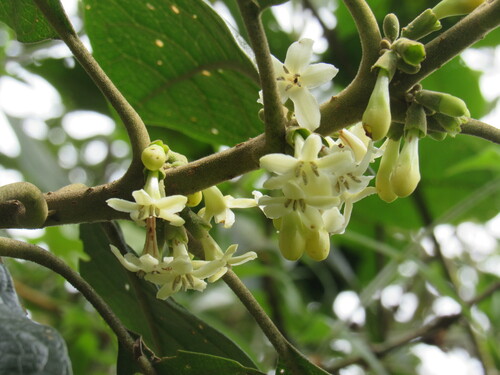
Agastache rupestris
(Green) Standl.
Horse mint

iNaturalist · cc-by-nc
(c) Jason K., some rights reserved (CC BY-NC), uploaded by Jason K.
(c) Jason K., some rights reserved (CC BY-NC), uploaded by Jason K.

iNaturalist · cc-by-nc
(c) Jason K., some rights reserved (CC BY-NC), uploaded by Jason K.
(c) Jason K., some rights reserved (CC BY-NC), uploaded by Jason K.
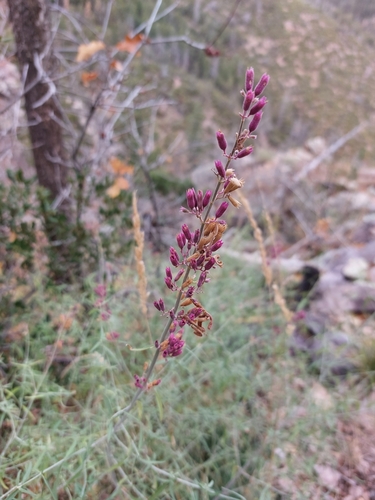
iNaturalist · cc-by-nc-sa
(c) Bridget McCall, some rights reserved (CC BY-NC-SA)
(c) Bridget McCall, some rights reserved (CC BY-NC-SA)
What to Eat
Edible parts: Leaves - tea
The leaves are used to make tea.
Where to Find It
It is a temperate plant.
North America, USA,
Countries: Antigua & Barbuda, Barbados, Bahamas, Belize, Canada, Costa Rica, Cuba, Dominica, Dominican Republic, Grenada, Guatemala, Honduras, Haiti, Jamaica, St Kitts & Nevis, St Lucia, Mexico, Nicaragua, Panama, Puerto Rico, El Salvador, Trinidad & Tobago, United States, St Vincent
How to Identify
A temperate herb in the mint family.
Wikipedia
Source ↗Agastache rupestris, known as the threadleaf giant hyssop, Mexican Hyssop, or licorice mint, is a wildflower of the mint family (Lamiaceae) native to the mountains of Arizona, New Mexico, and Chihuahua, Mexico. Popular in xeriscaping because of its heat tolerance and ability to thrive in dry, nutrient-poor soil, it is often planted in containers or as a border flower and used to attract hummingbirds. Displaying gray-green stems and leaves while dormant, its orange flowers with purple buds bloom from mid-summer until fall; if crushed the petals exude a pleasant scent.
Names & Synonyms
Agastache laneolata Standl. [Invalid]Cedronella rupestris Greeneand others
References (1)
- Desert Survivors Online Plant Database