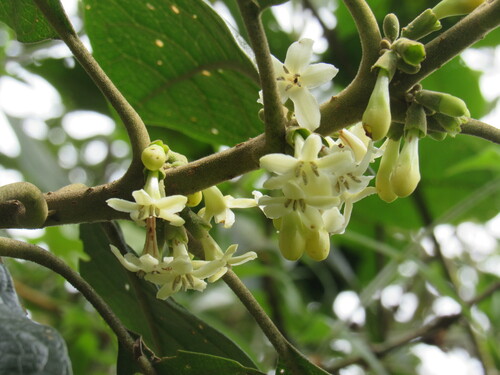
Vitex cooperi
Standl.
Yellow chaste tree
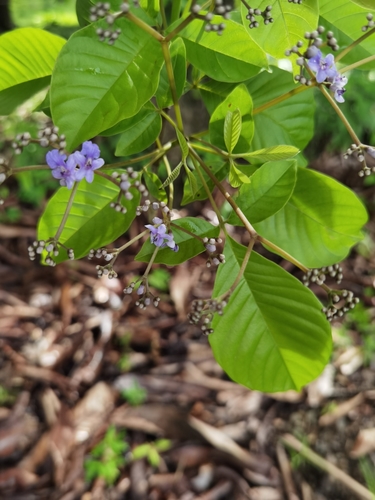
(c) Eduardo Chacón Madrigal, some rights reserved (CC BY), uploaded by Eduardo Chacón Madrigal
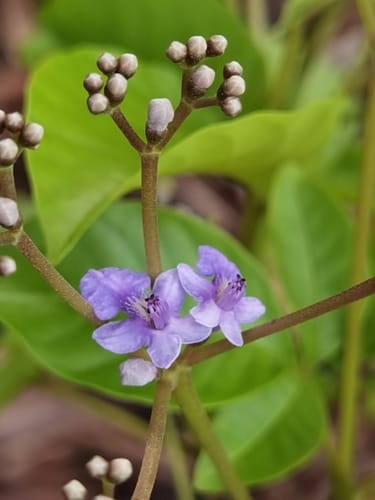
(c) Eduardo Chacón Madrigal, some rights reserved (CC BY)
What to Eat
Edible parts: Fruit
The fruit is edible.
Where to Find It
It is a tropical plant.
Belize, Central America, Colombia, Costa Rica, El Salvador, Guatemala, Honduras, Nicaragua, Panama, South America,
How to Identify
A tropical tree in the mint family (Lamiaceae), commonly known as the yellow chaste tree.
Other Uses
The wood splits readily. It is used for general construction, fence posts and in the manufacture of tool handles. The wood is used for fuel. We have no more information on the wood for this species. However, we have a general description for the wood of S. American species of this genus, which is as follows:- The heartwood is variable according to the species, ranging from yellowish-brown through deep brown, olive-green or olive-brown; it is usually not sharply demarcated from the whitish, yellow, or pale brown sapwood. The texture is rather fine to moderately coarse; the grain straight, sometimes irregular; lustre ranges from low to high; there is no distinctive odour or taste. A silica content of 0.76% is reported. Depending on the species, durability varies from moderately durable to very durable when exposed to a white-rot and brown-rot fungus. Actual field exposures show some species as durable and others as susceptible to attack by decay fungi and insects. Reports are also variable on seasoning, material from Panama had a moderate drying rate and no appreciable defects. The wood is easy to work with both hand and machine tools, though there is some tearing if grain is irregular; it takes a high polish. It is used for purposes such as furniture, millwork, veneer and plywood, general carpentry, mallet heads, chisel handles and flooring.
Wikipedia
Source ↗Vitex cooperi is a species of plant in the family Lamiaceae. It is found in Costa Rica, Guatemala, Honduras, Nicaragua, and Panama.
Names & Synonyms
Bimbayan, Cacho venado, Cuajada, Cuajado, Flor azul, Manu platano, Manut platano, Platano, Rajatbien, Truntago
References (1)
- Grandtner, M. M. & Chevrette, J., 2013, Dictionary of Trees, Volume 2: South America: Nomenclature, Taxonomy and Ecology. Academic Press p 694