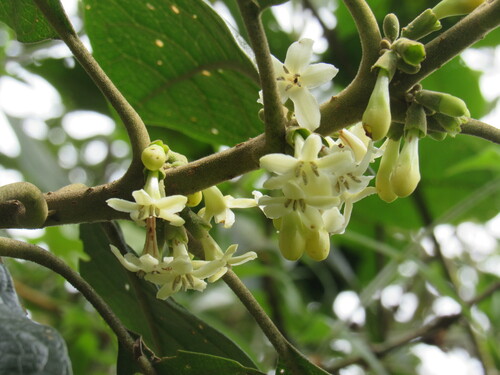
Leonurus japonicus
Houtt.
no rights reserved, uploaded by 葉子
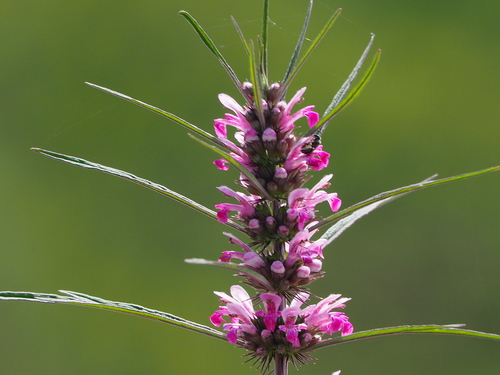
(c) 들꽃ㅅr랑, some rights reserved (CC BY), uploaded by 들꽃ㅅr랑
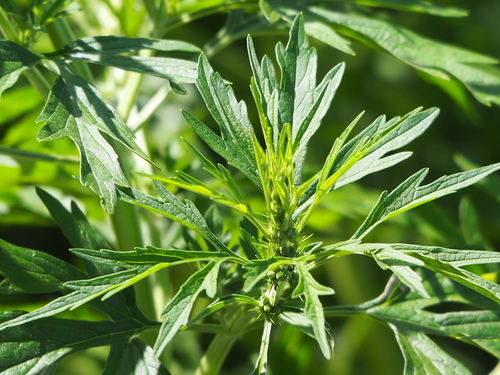
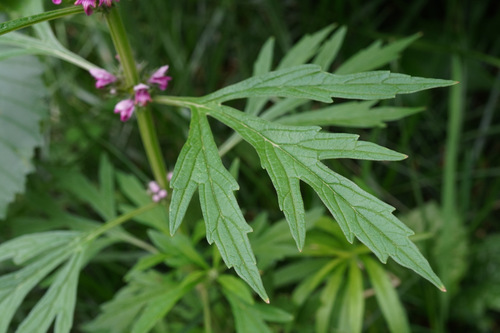
no rights reserved, uploaded by 葉子
What to Eat
Edible parts: Leaves - tea
No edible uses are known for this plant.
Where to Find It
It is a subtropical plant.
Argentina, Asia, Australia, Bahamas, Bangladesh, Belize, Bermuda, Bolivia, Brazil, Cambodia, Central America, China, Colombia, Cook Is., Costa Rica, Cuba, Czech Republic, Dominican Republic, El Salvador, French Guiana, Guatemala, Guyana, Haiti, Hawaii, Himalayas, Honduras, India, Indonesia, Jamaica, Japan, Korea, Laos, Malaysia, Manchuria, Mexico, Mongolia, Myanmar, Nepal, North America, Northeastern India, Pacific, Philippines, South America, Suriname, Taiwan, Thailand, Tibet, Tonga, Trinidad-Tobago, USA, Venezuela, Vietnam,
How to Identify
Leonurus japonicus is a annual or biennial herb reaching 0.9 m tall. It flowers from July to September with seeds ripening August through September. The plant is hermaphroditic and bee-pollinated. It adapts to light sandy, medium loamy, and heavy clay soils, including nutrient-poor conditions, with mildly acid to basic pH preference. It tolerates semi-shade or full sun and prefers moist soil.
How to Grow
We have almost no information on this species and do not know if it will be hardy in this country. The following notes are based on the general needs of the genus. Succeeds in most soils. Prefers a poor soil. There is some doubt over the correct name for this species, a recent work suggested that it should be L. artemisia (Lour.)S.Y.Hu. - at least in as much as it refers to the medicinal plant in China.
Propagation: Sow seed in spring in a cold frame. Prick seedlings into individual pots when large enough to handle and plant them out in summer.
Medicinal Uses
This plant, along with closely related species, is a commonly used herb in Chinese medicine and is considered one of the 50 fundamental herbs in that tradition. The leaves are diuretic and are placed in bathwater to relieve itching and painful shingles. Dried flowers are emmenagogue and are used during pregnancy and to help expel the placenta after birth. The juice of the stems is vulnerary. The fruit is antibacterial, diuretic, emmenagogue, hypotensive, ophthalmic, and vasodilatory, and is used to treat abnormal menstruation, nebula, and conjunctivitis. The seed is aphrodisiac, diuretic, and emmenagogue, used for various women's complaints, conjunctivitis, and night blindness. In a Chinese survey of 250 potential antifertility plants, this species ranked number one. The aerial parts of the plant are alterative, antibacterial, antifungal, depurative, diuretic, emmenagogue, hypotensive, vasodilatory, and vulnerary. The whole plant is decocted alone or with other herbs as an ophthalmic treatment. It is used for abnormal menstruation, postpartum abdominal pain, tumours, uterine bleeding, oedema, eczema, and purulent abscess, and applied externally as a poultice for bruises. The plant is also used to stimulate blood circulation.
Other Uses
No other uses are known for this plant.
Wikipedia
Source ↗Leonurus japonicus, commonly called oriental motherwort or Chinese motherwort, is a herbaceous flowering plant native to Asia, including Korea and Japan, and China to Cambodia.
Other Information
It is sold in local markets in China. It is cultivated.
Notes
Medicine,
Names & Synonyms
Ya mu cao, Yi mu cao
References (3)
- Cao, Y., et al, 2020, Ethnobotanical study on wild edible plants used by three trans-boundary ethnic groups in Jiangcheng County, Pu’er, Southwest China. Journal of Ethnobiology and Ethnomedicine (2020) 16:66
- Kew Plants of the World Online
- Li, D. et al, 2017, Ethnobotanical survey of herbal tea plants from the traditional markets in Chaoshan, China. Journal of Ethnopharmacology. 205 (2017) 195-206