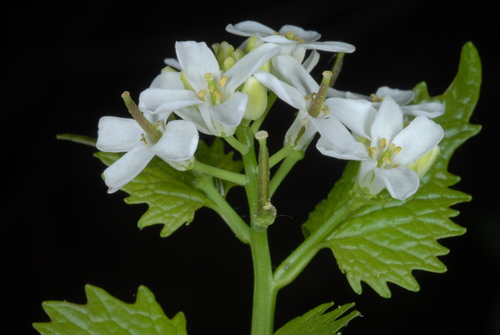
Diplotaxis simplex
(Viv.) Spreng.
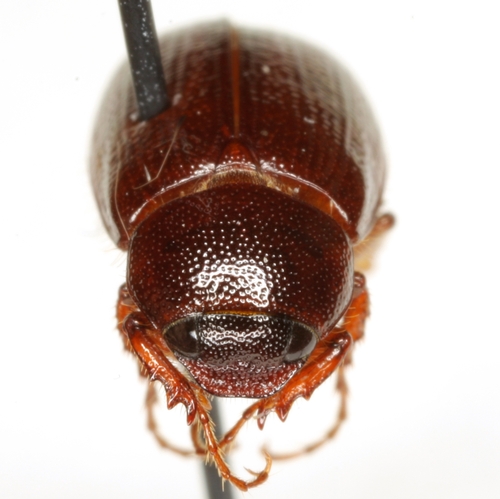
iNaturalist · cc-by-nc
(c) Mike Quinn, San Marcos, some rights reserved (CC BY-NC)
(c) Mike Quinn, San Marcos, some rights reserved (CC BY-NC)
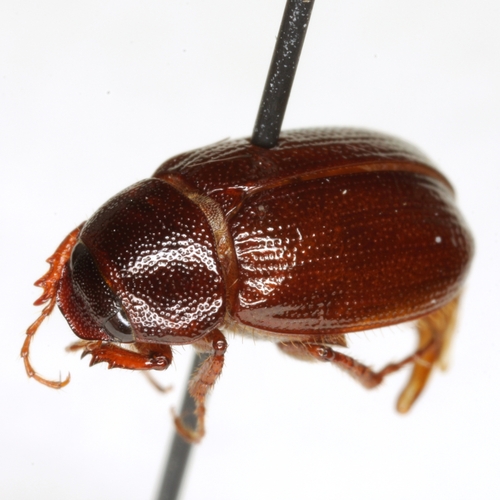
iNaturalist · cc-by-nc
(c) Mike Quinn, San Marcos, some rights reserved (CC BY-NC)
(c) Mike Quinn, San Marcos, some rights reserved (CC BY-NC)
What to Eat
Edible parts: Leaves, Flowers
The leaves are eaten raw or cooked in salads and soups. The flowers are also edible.
Where to Find It
It is a Mediterranean climate plant.
Africa, Egypt, Mediterranean, North Africa, Tunisia,
Countries: Albania, Angola, Bosnia & Herzegovina, Burkina Faso, Burundi, Benin, Botswana, Congo (DRC), Central African Republic, Congo (Republic), Cote d'Ivoire, Cameroon, Cape Verde, Cyprus, Djibouti, Algeria, Egypt, Eritrea, Spain, Ethiopia, France, Gabon, Ghana, Gambia, Guinea, Equatorial Guinea, Greece, Guinea-Bissau, Croatia, Israel, Italy, Kenya, Comoros, Lebanon, Liberia, Lesotho, Libya, Morocco, Monaco, Montenegro, Madagascar, Mali, Mauritania, Malta, Mauritius, Malawi, Mozambique, Namibia, Niger, Nigeria, Rwanda, Seychelles, Sudan, Slovenia, Sierra Leone, Senegal, Somalia, South Sudan, Sao Tome & Principe, Syria, Eswatini, Chad, Togo, Tunisia, Turkey, Tanzania, Uganda, South Africa, Zambia, Zimbabwe
How to Identify
An herb in the cabbage family (Brassicaceae) native to Mediterranean climates, with edible leaves and flowers.
Medicinal Uses
The flowers are traditionally used to assist with diabetes conditions.
Wikipedia
Source ↗Diplotaxis simplex is a species of scarab beetle in the family Scarabaeidae. It is found in Central America and North America.
Notes
The flowers assist diabetes conditions.
References (3)
- Bidak, L. M., et al, 2015, Goods and services provided by native plants in desert ecosystems: Examples from the northwestern coastal desert of Egypt. Global Ecology and Conservation 3 (2015) 433–447
- Dop, M. C., et al, 2019, Identification and frequency of consumption of wild edible plants over a year in central Tunisia: a mixed-methods approach. Public Health Nutrition: 23(5), 782–794 (As Diplotaxis muralis subsp. simplex)
- Jdir, H., et al, 2017, The cruciferous Diplotaxis simplex: Phytochemistry analysis and its protective effect on liver and kidney toxicities, and lipid profile disorders in alloxan-induced diabetic rats. Lipids in Health and Disease (2017) 16:100