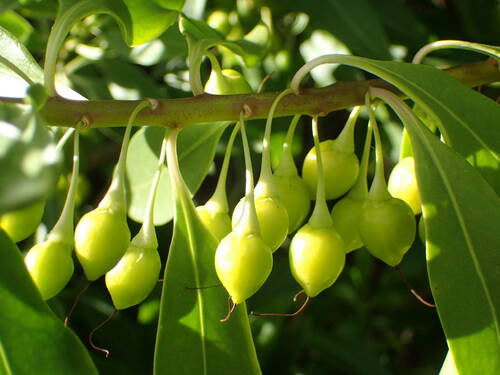
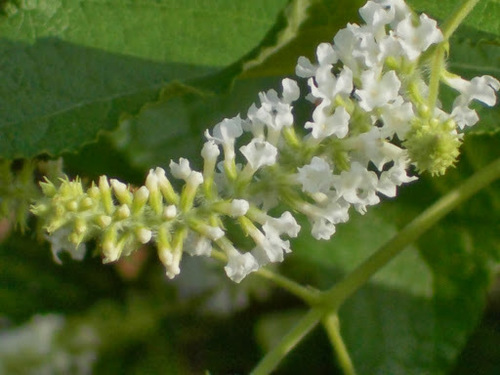
Buddleja bhutanica
Yamazaki
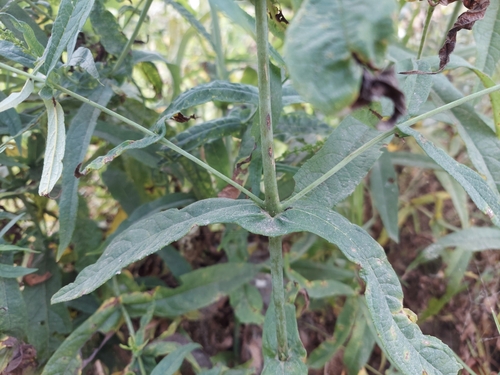
iNaturalist · cc-by-nc
(c) Phuentsho, some rights reserved (CC BY-NC), uploaded by Phuentsho
(c) Phuentsho, some rights reserved (CC BY-NC), uploaded by Phuentsho
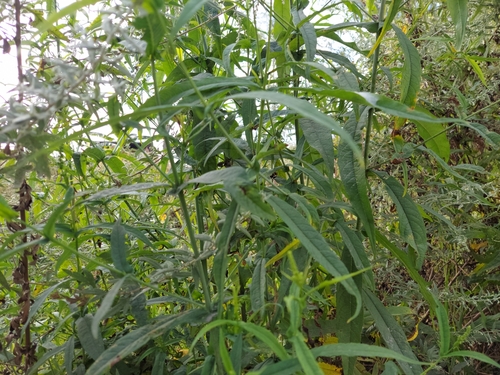
iNaturalist · cc-by-nc
(c) Phuentsho, some rights reserved (CC BY-NC), uploaded by Phuentsho
(c) Phuentsho, some rights reserved (CC BY-NC), uploaded by Phuentsho
What to Eat
Edible parts: Leaves, Shoots
The leaves and shoots are eaten.
Where to Find It
It is a subtropical plant.
Asia, Bhutan, Himalayas,
Countries: United Arab Emirates, Afghanistan, Armenia, Azerbaijan, Bangladesh, Bahrain, Brunei, Bhutan, China, Georgia, Indonesia, Israel, India, Iraq, Iran, Jordan, Japan, Kyrgyzstan, Cambodia, North Korea, South Korea, Kuwait, Kazakhstan, Laos, Lebanon, Sri Lanka, Myanmar, Mongolia, Maldives, Malaysia, Nepal, Oman, Philippines, Pakistan, Qatar, Saudi Arabia, Singapore, Syria, Thailand, Tajikistan, Timor-Leste, Turkmenistan, Turkey, Taiwan, Uzbekistan, Vietnam, Yemen
How to Identify
A subtropical shrub in the Scrophulariaceae family (also classified in Buddlejaceae).
Medicinal Uses
It is used in traditional medicine and for preparing yeast.
Wikipedia
Source ↗Buddleja bhutanica is a species of flowering shrub endemic to Bhutan, where it grows in bush on mountain slopes at elevations around 1,700 m. The shrub was first described and named by Yamazaki in 1971.
Notes
Also put in the family Buddlejaceae. It is also used in medicine and for preparing yeast.
Names & Synonyms
Chang-rtsi
References (1)
- Yeshi, K. et al, 2017, Taxonomical Identification of Himalayan Edible Medicinal Plants in Bhutan and the Phenolic Contents and Antioxidant Activity of Selected Plants. TBAP 7 (2) 2017 pp 89 - 106