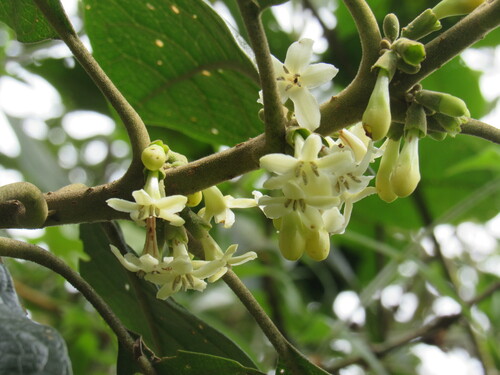
Salvia castanea
Diels
LamiaceaeRoots

iNaturalist · cc-by-nc
(c) Phuentsho, some rights reserved (CC BY-NC), uploaded by Phuentsho
(c) Phuentsho, some rights reserved (CC BY-NC), uploaded by Phuentsho
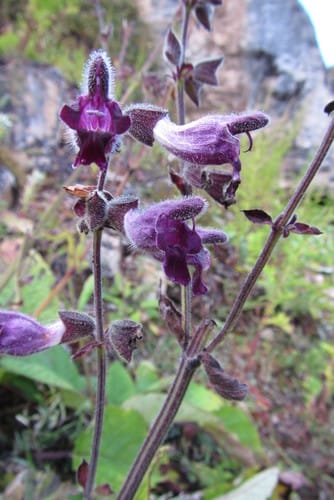
iNaturalist · cc-by-nc
(c) Jasmine Star Outdoor Photography, some rights reserved (CC BY-NC)
(c) Jasmine Star Outdoor Photography, some rights reserved (CC BY-NC)
What to Eat
Edible parts: Root
Where to Find It
It is a temperate plant.
Asia, Bhutan, Himalayas,
Countries: United Arab Emirates, Afghanistan, Armenia, Azerbaijan, Bangladesh, Bahrain, Brunei, Bhutan, China, Georgia, Indonesia, Israel, India, Iraq, Iran, Jordan, Japan, Kyrgyzstan, Cambodia, North Korea, South Korea, Kuwait, Kazakhstan, Laos, Lebanon, Sri Lanka, Myanmar, Mongolia, Maldives, Malaysia, Nepal, Oman, Philippines, Pakistan, Qatar, Saudi Arabia, Singapore, Syria, Thailand, Tajikistan, Timor-Leste, Turkmenistan, Turkey, Taiwan, Uzbekistan, Vietnam, Yemen
How to Identify
A herb.
Wikipedia
Source ↗Salvia castanea is a herbaceous perennial plant discovered in the Yunnan Valley in China in 1904 by plant collector George Forrest. It also grows in Nepal, Bhutan, and Tibet. The plants used in horticulture today likely came from seed collected from a plant at 14,000 ft in Nepal, at the base of Mt. Everest. It grows 3 ft tall in the wild, and 1–2 feet in cultivation in Europe and the U.S. The few 1.0–1.5 in flowers grow in whorls on an inflorescence about 1 ft long. The name castanea, which means 'chestnut colored', refers to the purplish-maroon flowers
Names & Synonyms
Jib-rtsi-chen-po, Smug-po
References (1)
- Yeshi, K. et al, 2017, Taxonomical Identification of Himalayan Edible Medicinal Plants in Bhutan and the Phenolic Contents and Antioxidant Activity of Selected Plants. TBAP 7 (2) 2017 pp 89 - 106