Iris persica
L.
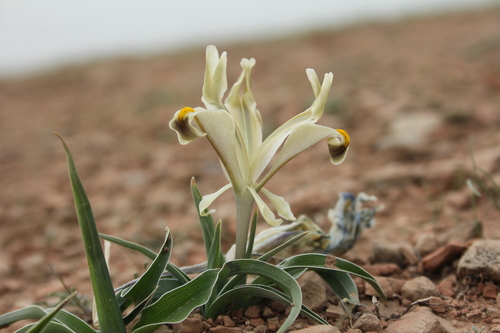
iNaturalist · cc-by-nc
(c) sami-youssef, some rights reserved (CC BY-NC), uploaded by sami-youssef
(c) sami-youssef, some rights reserved (CC BY-NC), uploaded by sami-youssef
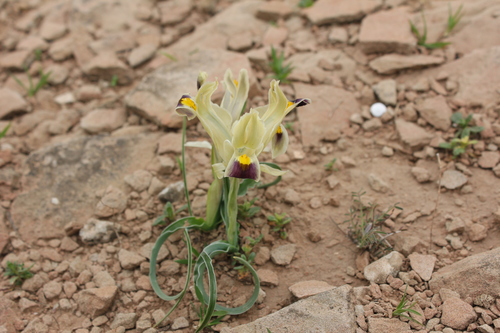
iNaturalist · cc-by-nc
(c) sami-youssef, some rights reserved (CC BY-NC), uploaded by sami-youssef
(c) sami-youssef, some rights reserved (CC BY-NC), uploaded by sami-youssef
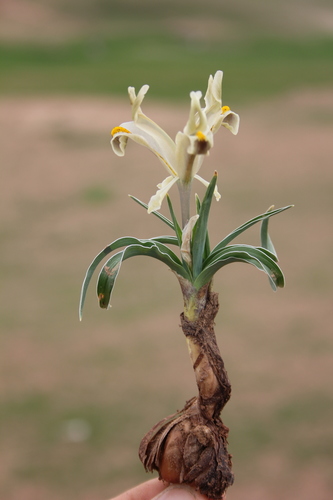
iNaturalist · cc-by-nc
(c) sami-youssef, some rights reserved (CC BY-NC), uploaded by sami-youssef
(c) sami-youssef, some rights reserved (CC BY-NC), uploaded by sami-youssef
What to Eat
Edible parts: Flower, Bulb
The flower tepals are eaten raw as a snack, and the bulbs are also edible.
Where to Find It
It is a temperate plant.
Europe, Turkey, Türkiye,
Countries: Andorra, Albania, Austria, Bosnia & Herzegovina, Belgium, Bulgaria, Belarus, Switzerland, Cyprus, Czechia, Germany, Denmark, Estonia, Spain, Finland, France, United Kingdom, Greece, Croatia, Hungary, Ireland, Iceland, Italy, Liechtenstein, Lithuania, Luxembourg, Latvia, Monaco, Moldova, Montenegro, North Macedonia, Malta, Netherlands, Norway, Poland, Portugal, Romania, Serbia, Russia, Sweden, Slovenia, Slovakia, San Marino, Turkey, Ukraine
How to Identify
A temperate corm or bulb plant in the iris family, with edible flower tepals and bulbs.
Wikipedia
Source ↗Iris persica, the Persian iris, is a native plant of Iran. It is particularly known for its beauty and fragrance. One of the first Juno irises to be described, this species has been in cultivation for centuries and was listed by Philip Miller in his book of 1732. It was originally grown as an indoor plant.
Names & Synonyms
Birbizek, Birxizeyle, Buzala, Pirpizik, Pispizik
Several
References (3)
- Ertug, F, Yenen Bitkiler. Resimli Türkiye Florası -I- Flora of Turkey - Ethnobotany supplement
- Yesil, Y., et al, 2019, Wild edible plants in Yeşilli (Mardin-Turkey), a multicultural area. Journal of Ethnobiology and Ethnomedicine (2019) 15:52
- Yesil, Y., et al, 2019, Traditional knowledge of wild edible plants in Hasankeyf (Batman Province, Turkey). Acta Societatis Botanicorum Poloniae. 88(3):3633


