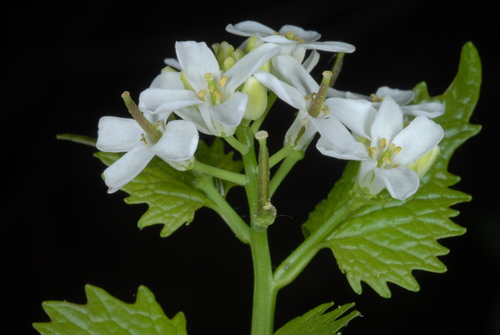
Diplotaxis viminea
(L.) DC.
(c) Ron Frumkin, some rights reserved (CC BY-NC), uploaded by Ron Frumkin
(c) Ron Frumkin, some rights reserved (CC BY-NC), uploaded by Ron Frumkin
(c) aulax, some rights reserved (CC BY-NC), uploaded by aulax
What to Eat
Edible parts: Leaves
The young leafy parts are eaten raw in salads or as a snack with bread.
Where to Find It
It is a Mediterranean climate plant.
Europe, Italy, Mediterranean,
How to Identify
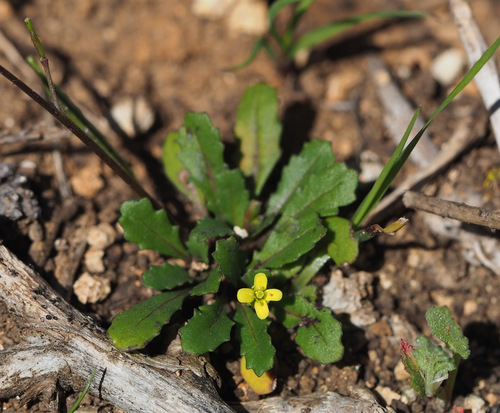
A herb of the cabbage family (Brassicaceae) found in Mediterranean climates. It produces young leafy growth suitable for eating.
Wikipedia
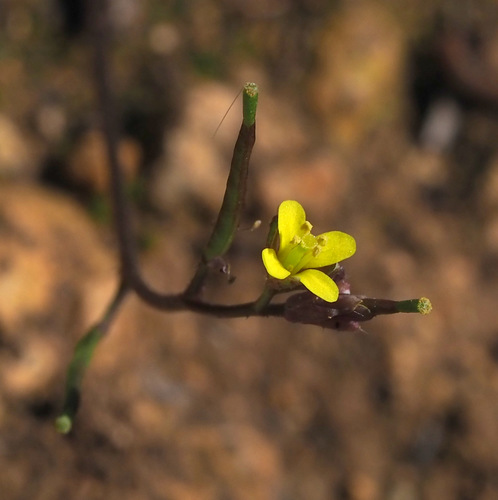
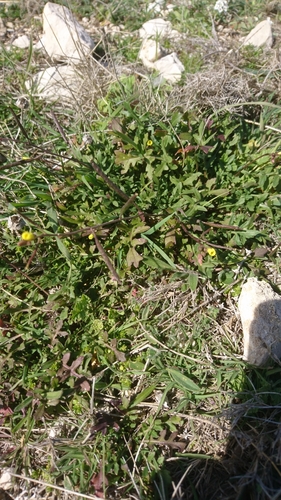
Source ↗Diplotaxis viminea also known by the common name Vineyard wall rocket is a species of annual herb in the family Brassicaceae. They have a self-supporting growth form and simple, broad leaves. Individuals can grow to 5.8 cm tall. It forms a basal rosette of leaves and flowering stems with or without leaves. It blooms June through October in western Europe, but may have an extended flowering period of up to eight months elsewhere in its range. This species grows in fields and vineyards and It is considered by some to be a weed of vegetable crops, vineyards, and gardens.
Names & Synonyms
Aruch'le salvagge
References (1)
- Biscotti, N. et al, 2018, The traditional food use of wild vegetables in Apulia (Italy) in the light of Italian ethnobotanical literature. Italian Botanist 5:1-24