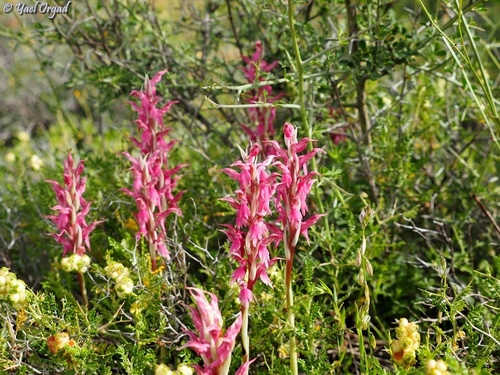
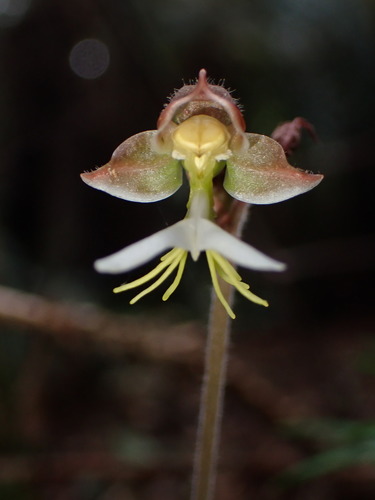
Ponerorchis chusua
(D. Don) Soo
OrchidaceaeRoots

iNaturalist · cc-by-nc
(c) Basu Dev Poudel, some rights reserved (CC BY-NC)
(c) Basu Dev Poudel, some rights reserved (CC BY-NC)
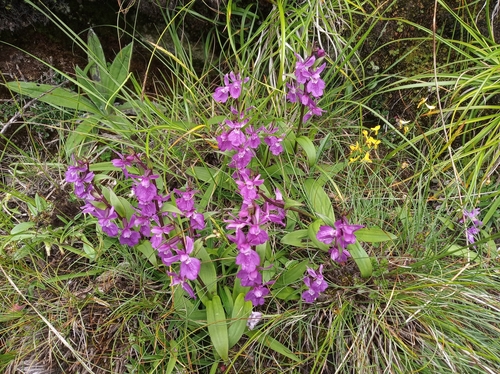
iNaturalist · cc-by-nc
(c) Basu Dev Poudel, some rights reserved (CC BY-NC)
(c) Basu Dev Poudel, some rights reserved (CC BY-NC)
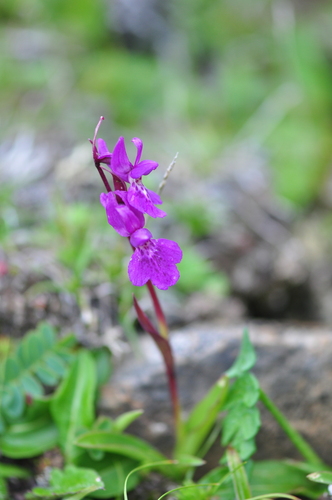
iNaturalist · cc-by-nc
(c) hilyshao, some rights reserved (CC BY-NC)
(c) hilyshao, some rights reserved (CC BY-NC)
What to Eat
Edible parts: Root, Tubers
The root tubers are roasted and eaten.
Where to Find It
It is a temperate plant. In Nepal it grows between 2,400-4,900 m above sea level.
Asia, Bhutan, China, India, Myanmar, Nepal, Northeastern India, SE Asia, Tibet,
Countries: United Arab Emirates, Afghanistan, Armenia, Azerbaijan, Bangladesh, Bahrain, Brunei, Bhutan, China, Georgia, Indonesia, Israel, India, Iraq, Iran, Jordan, Japan, Kyrgyzstan, Cambodia, North Korea, South Korea, Kuwait, Kazakhstan, Laos, Lebanon, Sri Lanka, Myanmar, Mongolia, Maldives, Malaysia, Nepal, Oman, Philippines, Pakistan, Qatar, Saudi Arabia, Singapore, Syria, Thailand, Tajikistan, Timor-Leste, Turkmenistan, Turkey, Taiwan, Uzbekistan, Vietnam, Yemen
How to Identify
An orchid. It grows in the soil and has stems 10- 25 cm tall. There are 1-3 leaves. These are narrowly sword shaped and 3-8 cm long. The base forms a sheath. The flowers are purple and have spots. They are in spikes at the top of the plant. There are only a few flowers.
Names & Synonyms
Ongri, Wangla marpo, Wanglag mempa
Orchis chusua D. Donand several others
References (1)
- Ghimire, S. K., et al, 2008, Non-Timber Forest Products of Nepal Himalaya. WWF Nepal p 106