Simaba floribunda
A. St.-Hil.

Wikimedia Commons - Alex Popovkin, Bahia, Brazil

Wikimedia Commons - Alex Popovkin, Bahia, Brazil
What to Eat
Edible parts: Fruit
Fruit - raw. A thin, sweetish pulp. The ovoid fruit can be 40mm long and 25mm wide, containing a single, large seed.
Where to Find It
It is a tropical plant. It grows in forests near the coast and can tolerate salty soils.
Brazil, South America,
How to Identify
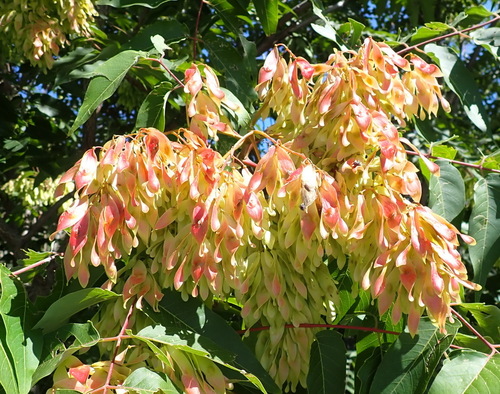
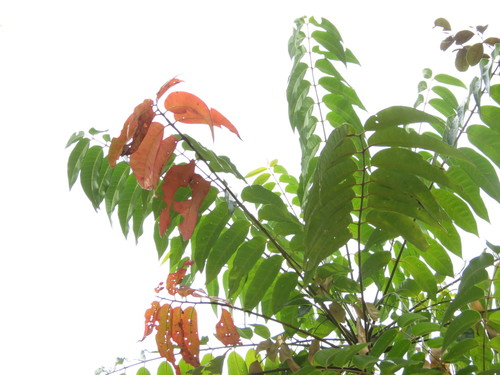
A shrub or tree. It keeps its leaves throughout the year. It grows 3-6 m tall. The trunk is short and 15-25 cm across. The leaves have narrow leaflets along the stalk. The fruit are oval and 4 cm long by 2.5 cm wide. There is one large seed.
How to Grow
Requires a sunny position. Found in the wild mainly on very sandy soils that can contain high levels of salt. Plants are likely to be very tolerant of salt-laden winds. Young plants have a moderate rate of growth.
Propagation: Seed - best sown as soon as it is ripe in a partially shaded position in a nursery seedbed. A germination rate in excess of 70% can be expected, with the seed sprouting within 15 - 30 days.
Other Uses
The wood is coarse-textured, straight-grained, light in weight, easy to cut, susceptible to the attacks of wood-eating organisms. Because of its small size it is usually only employed as a fuel. A small tree with a moderate rate of growth, it succeeds in sandy and salty soils by the coast, is tolerant of full sun, is easy to propagate and also provides food for the native fauna; it can be used as a pioneer species when restoring coastal forest or establishing a woodland garden in coastal areas.
Names & Synonyms
Caixeta-preta, Paratudo
References (2)
- Ferns, Useful Tropical Plants.
- World Flora Online